

In the contemporary world, the pursuit of eco - friendly living has become a significant trend. As a bedroom rug supplier, I am often asked about the environmental friendliness of bamboo bedroom rugs. In this blog, I will explore whether bamboo bedroom rugs are truly eco - friendly, considering various aspects such as raw material sourcing, production processes, and end - of - life disposal.
Bamboo as a Raw Material
Bamboo is a remarkable plant with several characteristics that make it a promising candidate for eco - friendly products. First and foremost, bamboo is an extremely fast - growing plant. Unlike traditional hardwoods that can take decades or even centuries to mature, many bamboo species can reach full maturity in just 3 - 5 years. This rapid growth rate means that bamboo can be harvested more frequently without causing long - term damage to the ecosystem. For example, Moso bamboo, one of the most commonly used bamboo species in the production of rugs, can grow up to 91 cm (36 inches) in a single day under ideal conditions.
Another advantage of bamboo is its ability to regenerate quickly after harvesting. When bamboo is cut, it does not need to be replanted from seeds. Instead, the root system remains intact, and new shoots will sprout from the roots, ensuring a continuous supply of raw material. This is in stark contrast to many other tree species, where clear - cutting often leads to deforestation and soil erosion.
Bamboo also has a relatively low water requirement compared to some other crops. It can thrive in a variety of climates and soil conditions, reducing the need for excessive irrigation. Additionally, bamboo plants help to prevent soil erosion by binding the soil with their extensive root systems, which is beneficial for maintaining the ecological balance of the area where it is grown.
Production Processes of Bamboo Bedroom Rugs
The production of bamboo bedroom rugs typically involves several steps, and the environmental impact of these processes can vary depending on the manufacturing methods used.
The first step is usually the harvesting and processing of bamboo. In an ideal eco - friendly production scenario, the bamboo is harvested in a sustainable manner, as mentioned earlier. After harvesting, the bamboo is often split, dried, and then processed into fibers. Some manufacturers use chemical - free or low - chemical methods to extract the fibers, which is more environmentally friendly. For example, mechanical methods can be employed to separate the fibers from the bamboo stalks without the use of harsh chemicals.
Once the bamboo fibers are obtained, they are woven or tufted into rugs. In this stage, the choice of dyes and finishing agents is crucial. Eco - friendly manufacturers opt for natural dyes made from plants, fruits, or minerals. These natural dyes are non - toxic, biodegradable, and do not release harmful chemicals into the environment during the dyeing process. In contrast, synthetic dyes often contain heavy metals and other pollutants that can contaminate water sources and harm wildlife.
Furthermore, a good eco - friendly production process minimizes energy consumption. Manufacturers can use renewable energy sources such as solar or wind power to run their factories, reducing their carbon footprint. They can also implement energy - efficient technologies in their production lines, such as using high - efficiency motors and optimizing the layout of the factory to reduce the distance that materials need to be transported.
End - of - Life Disposal of Bamboo Bedroom Rugs
One of the key aspects of eco - friendliness is the end - of - life disposal of a product. Bamboo bedroom rugs have an advantage in this regard. Bamboo is a biodegradable material, which means that at the end of its useful life, the rug can decompose naturally in the environment without leaving behind long - lasting pollutants.
If the rug is made with natural dyes and no synthetic additives, it will break down even more quickly. This is in contrast to many synthetic rugs made from materials such as polyester or nylon, which can take hundreds of years to decompose in landfills and may release harmful chemicals as they degrade.
In addition to biodegradation, bamboo rugs can also be recycled in some cases. The bamboo fibers can be separated from the rug and reused to make new products, such as paper or other bamboo - based items. This reduces the demand for virgin bamboo and further contributes to the conservation of natural resources.
Potential Drawbacks and Considerations
While bamboo bedroom rugs have many eco - friendly qualities, there are also some potential drawbacks that need to be considered.
Some bamboo rugs may be treated with chemicals during the production process to improve their durability, stain resistance, or flame retardancy. These chemicals can have a negative impact on the environment and human health. For example, some flame - retardant chemicals have been linked to health problems such as hormone disruption and cancer. As a supplier, it is important to ensure that the rugs we offer are treated with safe and eco - friendly chemicals, or better yet, use alternative methods to achieve the desired properties.
Another consideration is the transportation of bamboo rugs. If the bamboo is sourced from a far - away location and the rugs are manufactured in a different region, the transportation process can generate a significant amount of carbon emissions. To minimize this impact, suppliers can look for local or regional sources of bamboo and manufacturing facilities to reduce the distance that the products need to be transported.
Comparison with Other Types of Bedroom Rugs
To better understand the eco - friendliness of bamboo bedroom rugs, it is useful to compare them with other common types of bedroom rugs.
Wool Rugs: Wool is a natural and renewable material, but the production of wool rugs also has some environmental concerns. Sheep farming often requires large amounts of land for grazing, which can lead to deforestation and soil degradation if not managed properly. Additionally, the processing of wool may involve the use of chemicals such as detergents and dyes, which can have an environmental impact.
Synthetic Rugs: Synthetic rugs, such as those made from polyester or nylon, are made from petroleum - based products. The production of these rugs consumes a significant amount of fossil fuels and generates greenhouse gas emissions. Moreover, as mentioned earlier, synthetic rugs are non - biodegradable and can take a long time to break down in landfills.
Cotton Rugs: Cotton is a natural fiber, but it is a water - intensive crop. Large amounts of water are required for irrigation, and the use of pesticides and fertilizers in cotton farming can also contaminate water sources and harm the environment.
In comparison, bamboo bedroom rugs generally have a relatively lower environmental impact, especially when produced using sustainable methods.
Conclusion
In conclusion, bamboo bedroom rugs have the potential to be highly eco - friendly. The fast - growing nature of bamboo, its ability to regenerate, and its low water requirement make it an excellent raw material from an environmental perspective. When the production processes are carried out in a sustainable and chemical - free manner, and the end - of - life disposal is considered, bamboo rugs can be a great choice for eco - conscious consumers.
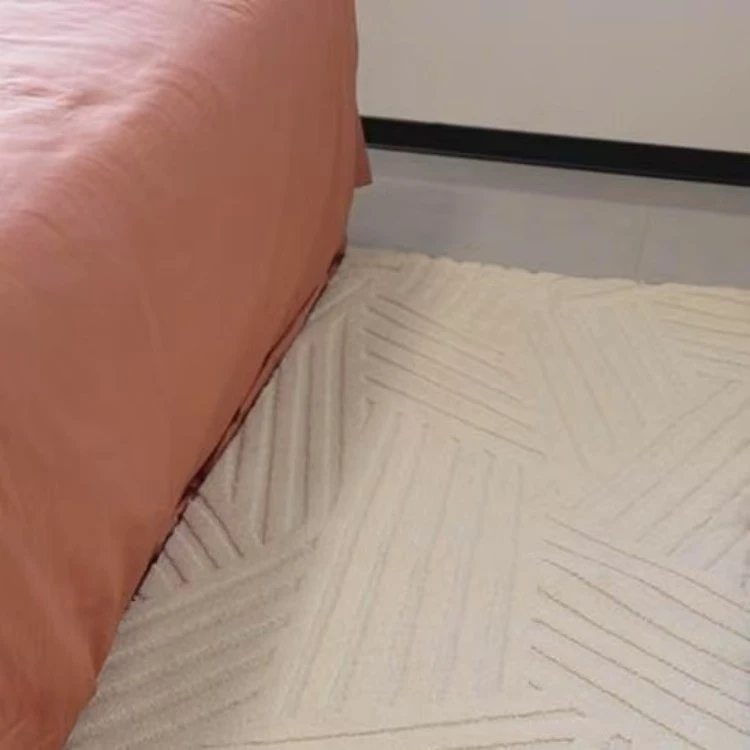

However, it is important for suppliers and consumers alike to be aware of the potential drawbacks and to make informed choices. As a bedroom rug supplier, I am committed to providing high - quality bamboo bedroom rugs that are produced in an environmentally friendly way. We source our bamboo from sustainable plantations and work with manufacturers who use eco - friendly production methods.
If you are interested in purchasing eco - friendly bedroom rugs, we offer a wide range of options, including the Long Plush Comforter for The Bedside and the Anti - slip Children's Room Cartoon Carpet. Our rugs not only add a touch of style to your bedroom but also contribute to a more sustainable lifestyle.
If you have any questions or would like to discuss potential purchases, please feel free to contact us. We are more than happy to assist you in finding the perfect eco - friendly bedroom rug for your needs.
References
- "Bamboo: A Sustainable Resource", by the World Bamboo Organization
- "Environmental Impact of Textile Production", Journal of Environmental Science and Technology
- "Sustainable Materials for Interior Design", a research report from a leading design institute