

Hey there! As a supplier of non - woven square rugs, I get asked all the time, "Are non - woven square rugs eco - friendly?" Well, let's dive right into this topic and break it down.
First off, what are non - woven square rugs? Non - woven fabrics are made by bonding or interlocking fibers together, rather than weaving them like traditional textiles. This process gives these rugs a unique look and feel. And when it comes to the environment, there are a few key aspects we need to consider.
Materials Used
Most non - woven square rugs are made from synthetic fibers such as polypropylene, polyester, or nylon. These materials are derived from petroleum, which is a non - renewable resource. On the surface, that might not sound very eco - friendly. But here's the thing: the production of these synthetic fibers has become more efficient over the years. Manufacturers are now able to produce more material with less energy, which reduces the overall carbon footprint.
For example, polypropylene is a lightweight and durable material. It requires less energy to produce compared to some natural fibers like wool. And because it's so durable, non - woven square rugs made from polypropylene can last a long time, meaning you don't have to replace them as often. This reduces waste in the long run.
Production Process
The production of non - woven square rugs is generally more energy - efficient than traditional weaving methods. In a non - woven process, the fibers are directly bonded together, which skips the time - consuming and energy - intensive weaving step. This means less energy is used in the manufacturing process, which is great for the environment.
Moreover, many modern non - woven rug production facilities are implementing green technologies. They're using renewable energy sources like solar or wind power to run their machines. Some are also recycling water used in the production process, reducing water waste.
Recyclability
One of the big questions when it comes to eco - friendliness is whether the product can be recycled. Non - woven square rugs do have some recyclability potential. Polypropylene and polyester, two common materials in these rugs, can be recycled into new products. However, the recycling process for these synthetic materials is not as widespread as for some other materials like paper or glass.
But things are changing. There are more and more recycling initiatives popping up that focus on synthetic fibers. Some companies are even offering take - back programs for their non - woven rugs. They'll collect old rugs and recycle them into new products, which is a great step towards a more circular economy.
Indoor Air Quality
Non - woven square rugs can also be a good choice for indoor air quality. Unlike some natural fibers that can harbor dust mites, mold, and other allergens, synthetic non - woven rugs are less likely to cause these problems. They're also often treated with anti - microbial agents during the production process, which helps keep the air in your home clean and fresh.
Types of Non - woven Square Rugs
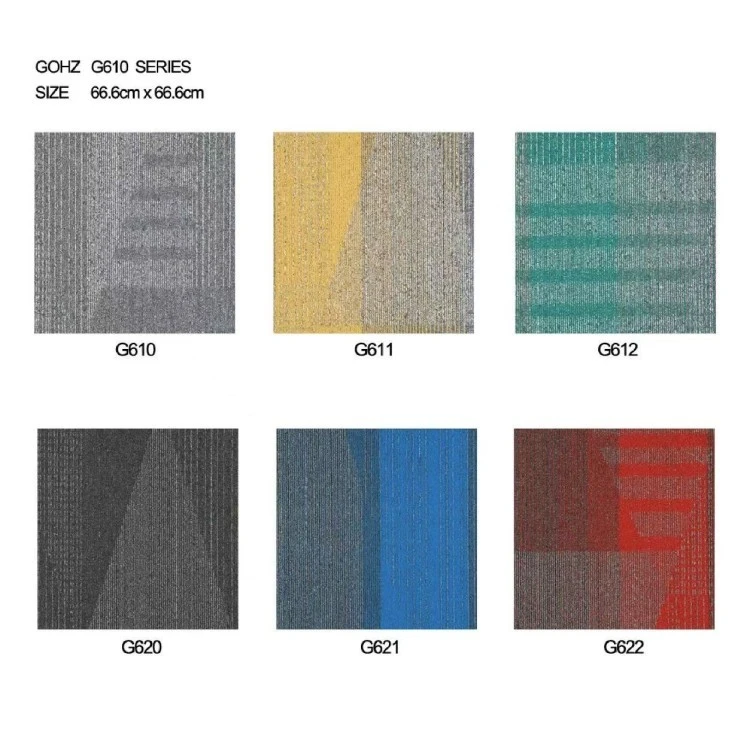
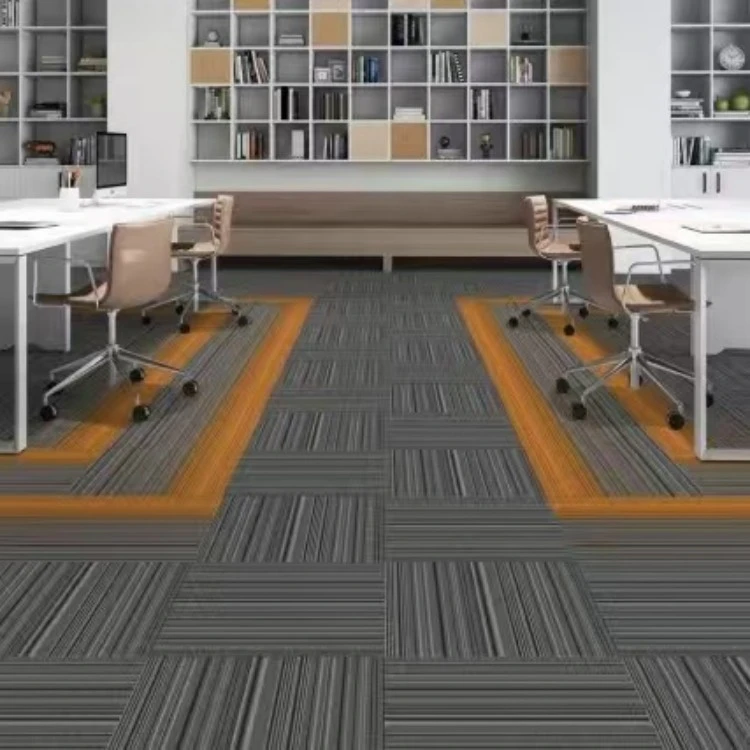
Let's take a look at some of the different types of non - woven square rugs we offer.
- Non - woven Base Striped Rug: These rugs add a touch of style with their classic striped pattern. You can check them out Non - woven Base Striped Rug. They're made with high - quality non - woven materials that are both durable and eco - conscious.
- Non - woven Base Solid Color Rug: If you prefer a more minimalist look, our solid - color non - woven square rugs are a great choice. You can find them here Non - woven Base Solid Color Rug. They come in a variety of colors to match any decor.
- Non - woven Base Printed Rug: For those who want to make a statement, our printed non - woven square rugs are the way to go. You can browse through our collection Non - woven Base Printed Rug. The printing process is also designed to be as eco - friendly as possible, using low - VOC inks.
Comparing with Natural Fiber Rugs
It's important to compare non - woven square rugs with natural fiber rugs to get a full picture of their eco - friendliness. Natural fibers like jute, sisal, and wool are often seen as more "natural" and therefore more eco - friendly. However, they also have their own set of challenges.
For instance, growing natural fibers like cotton or wool requires a lot of land, water, and pesticides. And the processing of these fibers can be energy - intensive. In contrast, non - woven square rugs made from synthetic materials can be produced with less land and water use.
Conclusion
So, are non - woven square rugs eco - friendly? Well, it's not a simple yes or no answer. They do have some environmental drawbacks, mainly related to the use of non - renewable resources. But when you consider the energy - efficient production process, potential for recyclability, and benefits for indoor air quality, they can be a pretty good choice from an environmental perspective.
If you're in the market for a new rug and you're concerned about the environment, I encourage you to consider non - woven square rugs. They offer a great combination of style, durability, and eco - friendliness.
If you're interested in learning more about our non - woven square rugs or want to start a purchase negotiation, don't hesitate to reach out. We're always happy to answer your questions and help you find the perfect rug for your space.
References
- "Environmental Impact of Synthetic Fibers" - Journal of Sustainable Textiles
- "Recycling Initiatives for Non - woven Materials" - Recycling Today Magazine
- "Energy Efficiency in Non - woven Rug Production" - Manufacturing Green Technologies Report