

In the realm of interior design and home comfort, the significance of sound absorption cannot be overstated. A well - acoustically treated space not only enhances the quality of our auditory experiences but also contributes to overall well - being. When it comes to finding effective sound - absorbing solutions, non - woven square rugs have emerged as a popular option. As a non - woven square rug supplier, I am excited to delve into the question: Are non - woven square rugs good for sound absorption?
Understanding Sound Absorption
Before we evaluate non - woven square rugs, it's essential to understand the concept of sound absorption. Sound absorption refers to the process by which a material reduces the intensity of sound waves that strike it. When sound waves hit a surface, three things can happen: they can be reflected, transmitted, or absorbed. A good sound - absorbing material minimizes reflection and transmission, converting the sound energy into heat energy.
Materials with porous structures are generally excellent sound absorbers. Porous materials contain many small interconnected air spaces. When sound waves enter these spaces, they cause the air molecules to vibrate. The friction between the air molecules and the material's fibers or particles converts the sound energy into heat, thus reducing the sound level.
Non - woven Materials and Their Structure
Non - woven fabrics are made by bonding or interlocking fibers together rather than weaving or knitting them. These fibers can be natural, synthetic, or a combination of both. The manufacturing process of non - woven materials creates a random and porous structure, which is a key factor in their sound - absorbing capabilities.
The random arrangement of fibers in non - woven materials creates numerous small air pockets. These air pockets act as traps for sound waves. As sound waves enter these pockets, they bounce around and lose energy through friction with the fibers. This process effectively reduces the amount of sound that is reflected back into the room.
Sound Absorption Properties of Non - woven Square Rugs
- Frequency Response
Non - woven square rugs can absorb a wide range of sound frequencies. Low - frequency sounds, such as the rumble of traffic or the bass from a stereo, are generally more difficult to absorb. However, the density and thickness of non - woven rugs can be adjusted during the manufacturing process to improve their low - frequency absorption.
Medium and high - frequency sounds, like human voices, the ticking of a clock, or the sound of footsteps, are more easily absorbed by non - woven rugs. The porous structure of the non - woven material is particularly effective at capturing these higher - frequency sound waves, making the environment quieter and more comfortable.
- Installation and Placement
The way non - woven square rugs are installed and placed in a room also affects their sound - absorbing performance. Placing rugs on hard floors, such as wood, tile, or concrete, can significantly reduce the amount of sound reflection. Hard floors are excellent sound reflectors, and the addition of a non - woven rug can break up the sound waves and prevent them from bouncing around the room.
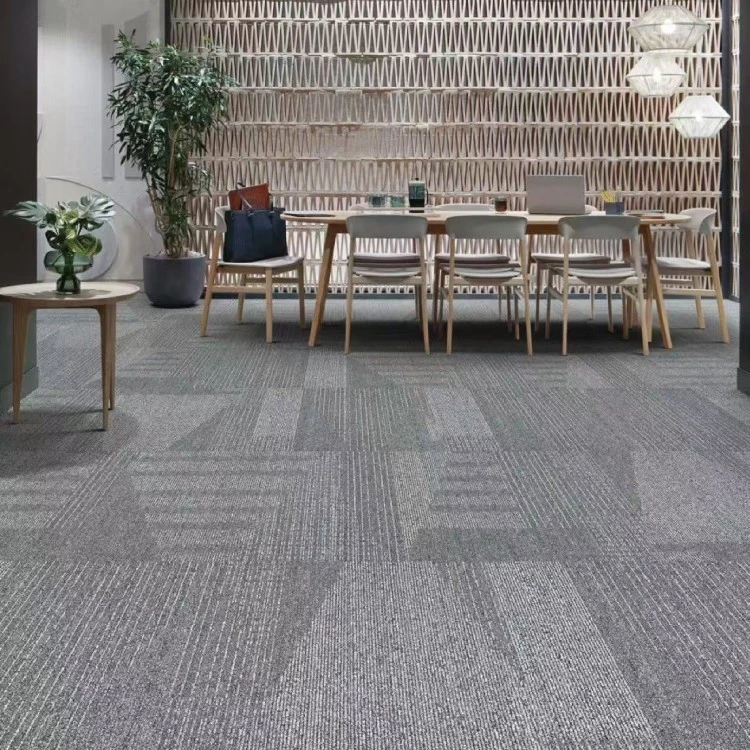
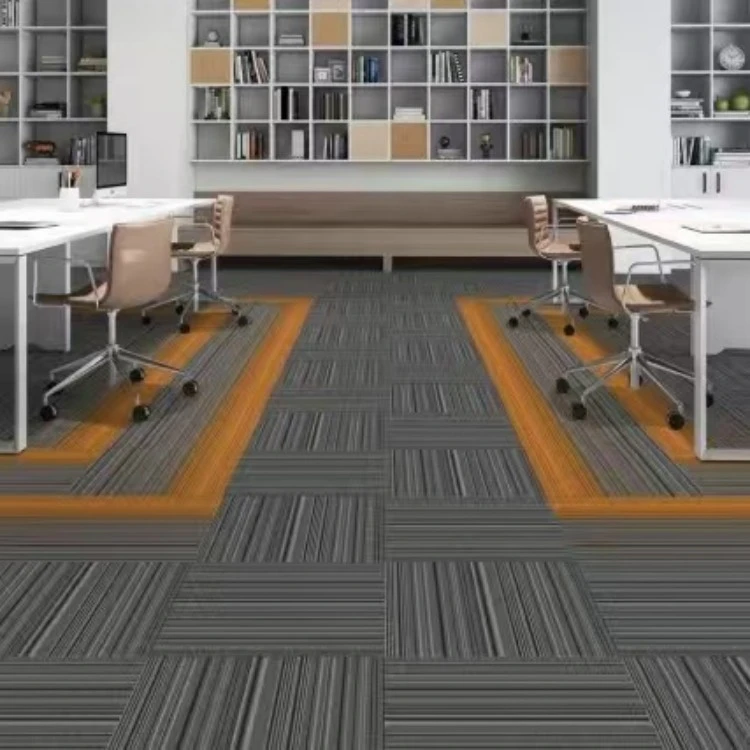
In large open spaces, multiple non - woven square rugs can be arranged to create a more extensive sound - absorbing area. This is especially useful in commercial settings, such as offices, restaurants, or conference rooms, where noise control is crucial.
Advantages of Using Non - woven Square Rugs for Sound Absorption
-
Aesthetic Appeal
Non - woven square rugs come in a variety of styles, colors, and patterns. Whether you prefer a modern, minimalist look or a more traditional design, there is a non - woven rug to suit your taste. For example, you can explore our Non - woven Base Printed Rug collection, which features unique and eye - catching prints. Our Non - woven Base Solid Color Rug offers a simple and elegant option, while the Non - woven Base Striped Rug adds a touch of sophistication. -
Easy Maintenance
Non - woven square rugs are relatively easy to clean and maintain. They can be vacuumed regularly to remove dust and debris. In case of spills, most non - woven rugs can be spot - cleaned with a mild detergent and water. This makes them a practical choice for both residential and commercial use. -
Environmental Friendliness
Many non - woven materials are made from recycled fibers, which makes them an environmentally friendly option. By choosing non - woven square rugs, you are not only improving the acoustics of your space but also contributing to a more sustainable future.
Limitations and Considerations
-
Thickness and Density
The sound - absorbing performance of non - woven square rugs is highly dependent on their thickness and density. Thinner and less dense rugs may not provide as much sound absorption as thicker, denser ones. When selecting a non - woven rug for sound absorption, it's important to consider the specific needs of your space. For areas with high noise levels, such as near busy streets or in large open offices, a thicker and denser rug may be more appropriate. -
Moisture Resistance
Non - woven materials can be susceptible to moisture damage. If the rug is exposed to excessive moisture, it may develop mold or mildew, which can not only damage the rug but also pose a health risk. It's important to ensure that the non - woven square rug is installed in a dry environment and that any spills are cleaned up promptly.
Real - World Applications
-
Residential Use
In homes, non - woven square rugs can be used in bedrooms, living rooms, and home offices to reduce noise from outside sources and between rooms. They can also enhance the comfort of the space by softening the sound of footsteps and reducing echo. For example, placing a non - woven rug in a bedroom can create a more peaceful and relaxing environment, promoting better sleep. -
Commercial Use
In commercial settings, non - woven square rugs are widely used in offices, hotels, restaurants, and educational institutions. In offices, they can improve the acoustics of open - plan workspaces, reducing distractions and improving productivity. In hotels and restaurants, they can enhance the dining and guest experience by creating a more comfortable and quiet environment.
Conclusion
In conclusion, non - woven square rugs are indeed good for sound absorption. Their porous structure, combined with their aesthetic appeal, easy maintenance, and environmental friendliness, makes them an excellent choice for both residential and commercial applications. However, it's important to consider factors such as thickness, density, and moisture resistance when selecting a non - woven rug for sound absorption.
If you are interested in improving the acoustics of your space with non - woven square rugs, I invite you to explore our wide range of products. We are committed to providing high - quality non - woven rugs that meet your specific needs. Whether you are a homeowner looking to create a more peaceful living environment or a business owner seeking to enhance the comfort of your commercial space, we can help. Contact us today to start a discussion about your procurement needs and find the perfect non - woven square rug for your project.
References
- Beranek, Leo L. "Acoustics." American Institute of Physics, 1986.
- Fahy, Frank J. "Sound and Structural Vibration: Radiation, Transmission and Response." Academic Press, 2001.
- Kinsler, Lawrence E., et al. "Fundamentals of Acoustics." John Wiley & Sons, 2000.