

As a supplier of nylon square rugs, I often encounter various inquiries from customers. One frequently asked question is whether nylon square rugs are prone to static cling. In this blog post, I'll delve into this topic, exploring the factors that contribute to static cling in nylon square rugs, ways to mitigate it, and how our products address this concern.
Understanding Static Cling in Nylon Square Rugs
Static electricity is a common phenomenon that occurs when two materials come into contact and then separate, causing an imbalance of electric charges. Nylon, a synthetic fiber widely used in rug manufacturing, has properties that can make it more susceptible to static buildup. The molecular structure of nylon allows it to easily gain or lose electrons, leading to the accumulation of static charges.
Several factors can influence the likelihood of static cling in nylon square rugs. Environmental conditions play a significant role. In dry environments, where the humidity is low, the air lacks the moisture needed to conduct electricity, making it easier for static charges to build up on the rug's surface. This is particularly noticeable during the winter months when indoor heating systems can further reduce humidity levels.
Foot traffic is another contributing factor. As people walk across a nylon square rug, friction is generated between their shoes and the rug fibers. This friction can cause electrons to transfer between the two surfaces, resulting in a buildup of static charges. The more foot traffic a rug experiences, the greater the potential for static cling.
The Impact of Static Cling
Static cling in nylon square rugs can have several negative effects. Firstly, it can be a nuisance to users. The sudden shock of static electricity when touching a metal object or another person after walking on the rug can be unpleasant and even startling. This can make the rug less comfortable to use, especially for those who are sensitive to such shocks.
Secondly, static cling can attract dust and dirt to the rug's surface. The electrostatic charges on the rug act like a magnet, pulling in small particles from the air. Over time, this can make the rug look dirty and require more frequent cleaning. Additionally, the presence of dust and dirt can also contribute to wear and tear on the rug fibers, reducing its lifespan.
Mitigating Static Cling in Nylon Square Rugs
Fortunately, there are several ways to reduce static cling in nylon square rugs. One of the simplest and most effective methods is to increase the humidity in the environment. Using a humidifier can add moisture to the air, making it easier for static charges to dissipate. This can significantly reduce the occurrence of static cling, especially in dry climates or during the winter months.
Another approach is to use anti-static products. There are various anti-static sprays and treatments available on the market that can be applied to nylon square rugs. These products work by creating a thin layer on the rug fibers that helps to neutralize static charges. Some rugs are also treated with anti-static agents during the manufacturing process, providing long-term protection against static cling.
Proper grounding can also help to prevent static buildup. Ensuring that the rug is properly grounded to the floor can provide a path for static charges to flow away, reducing the likelihood of static cling. This can be achieved by using a grounding mat or by attaching a grounding wire to the rug.
Our Nylon Square Rugs and Static Cling
At our company, we understand the importance of addressing static cling in nylon square rugs. That's why we take several steps to minimize this issue in our products.
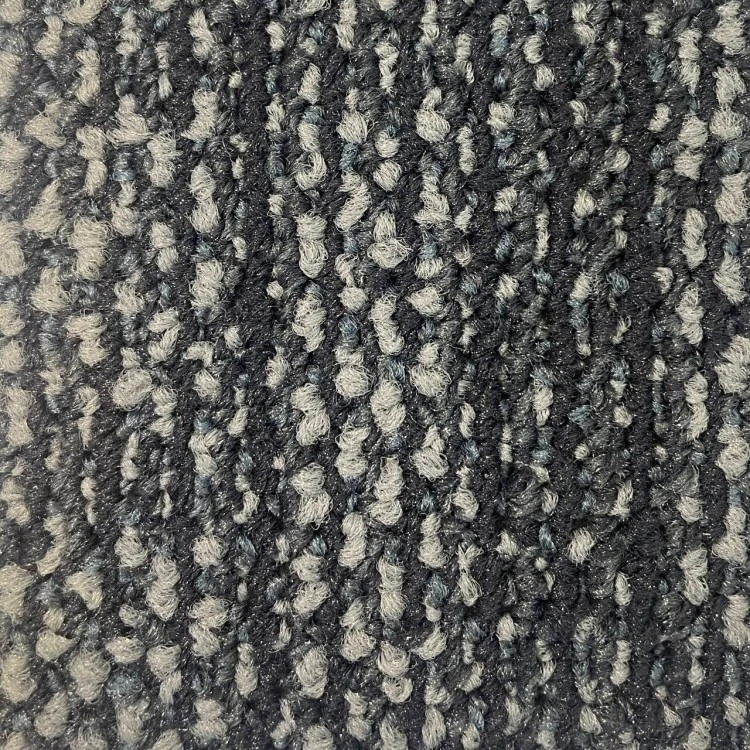
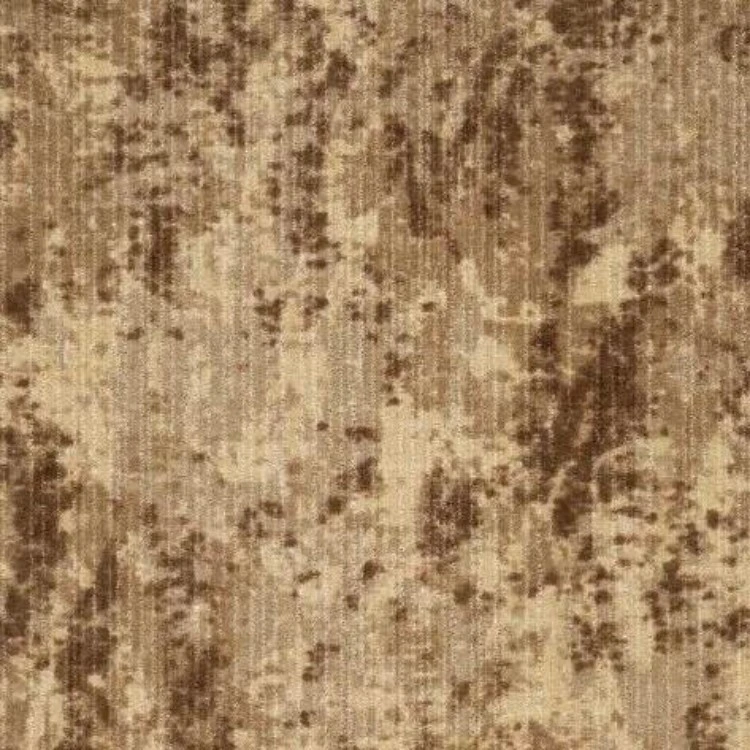
Firstly, we use advanced manufacturing techniques to treat our nylon fibers with anti-static agents. This treatment is applied during the production process, ensuring that the anti-static properties are built into the rug fibers from the start. As a result, our nylon square rugs are less likely to develop static cling, providing a more comfortable and hassle-free experience for our customers.
Secondly, we offer a range of nylon square rugs with different textures and finishes. Some of our rugs have a smooth surface, which reduces friction and the potential for static buildup. Others have a more textured surface, which can help to disperse static charges more effectively. By providing a variety of options, we can meet the different needs and preferences of our customers.
We also recommend using our nylon square rugs in conjunction with a humidifier or anti-static products to further reduce the risk of static cling. Our customer service team is always available to provide advice and guidance on how to maintain and care for our rugs to minimize static buildup.
Exploring Our Nylon Square Rug Collection
In addition to addressing static cling, our nylon square rugs offer a wide range of styles and designs to suit any decor. Whether you're looking for a classic Nylon Checked Rug with a timeless pattern or a modern Nylon Printed Block Rug with bold colors and unique designs, we have something for everyone.
Our Nylon Plain-colored Rug collection is perfect for those who prefer a more understated look. These rugs come in a variety of solid colors, allowing you to choose the one that best matches your existing decor. The plain color also makes them versatile and easy to pair with other furniture and accessories.
Contact Us for Your Nylon Square Rug Needs
If you're interested in learning more about our nylon square rugs or have any questions about static cling or our products, we'd love to hear from you. Our team of experts is available to provide you with detailed information, answer your questions, and help you find the perfect rug for your space.
Whether you're a homeowner looking to add a touch of style to your living room or a business owner in need of high-quality rugs for your commercial space, we can offer you the best solutions. Contact us today to start a conversation about your nylon square rug requirements. We look forward to working with you to create a beautiful and comfortable environment with our rugs.
References
- "Static Electricity and Its Effects on Textiles." Textile Research Journal, vol. 78, no. 5, 2008, pp. 423-432.
- "Managing Static Electricity in Indoor Environments." Building and Environment, vol. 43, no. 11, 2008, pp. 1845-1852.
- "Anti-Static Treatments for Synthetic Fibers." Journal of Applied Polymer Science, vol. 110, no. 3, 2008, pp. 1541-1547.