

Hey there! As a supplier of asphalt square carpets, I often get asked if these carpets can be used in a basement. Well, let's dive right into this topic and figure it out.
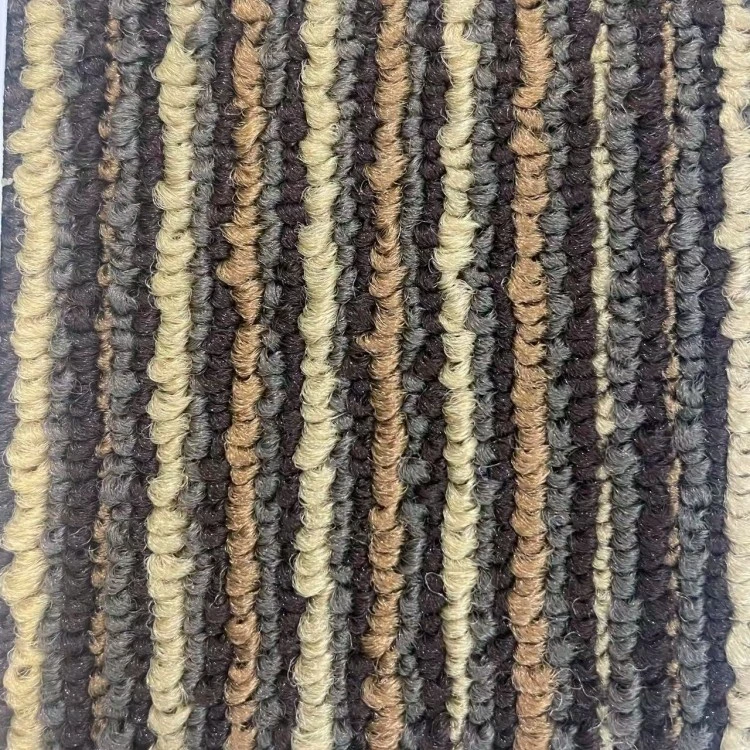
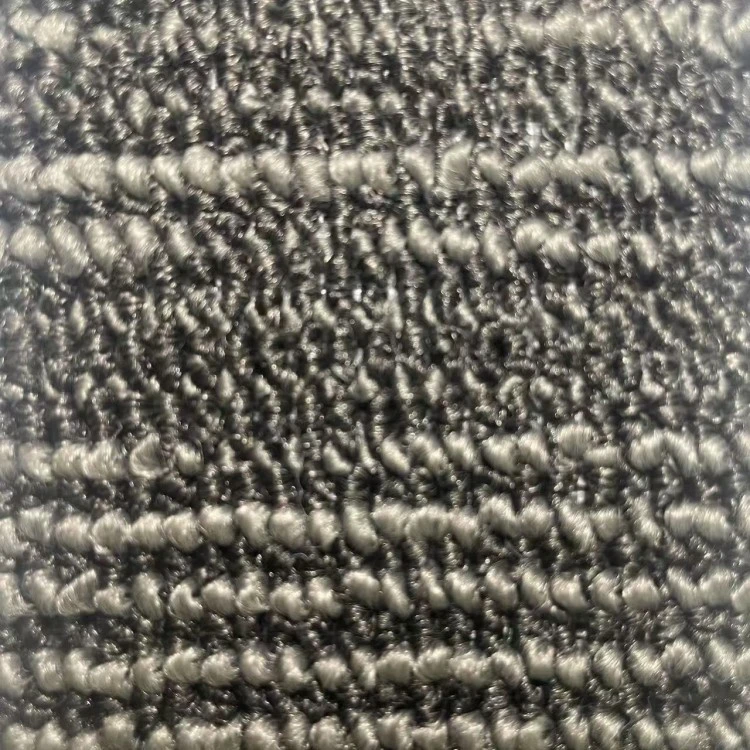
First off, let's talk about what asphalt square carpets are. We've got different types, like the Asphalt Solid - Color Rug, the Asphalt Printed Rug, and the Asphalt - strip Patterned Rug. Each of these has its own unique look and feel, but they all share the common base of asphalt - inspired design.
Now, basements are a bit of a special case. They've got their own set of conditions that we need to consider before deciding if an asphalt square carpet is a good fit.
Advantages of Using Asphalt Square Carpets in Basements
1. Durability
Asphalt square carpets are known for being tough. Basements can be high - traffic areas, especially if you use yours as a playroom, a home gym, or a storage area. These carpets can withstand a lot of wear and tear. They're made to handle being walked on, having furniture moved on them, and even the occasional spill. So, if you're worried about your carpet getting damaged easily in a basement, an asphalt square carpet might be just what you need.
2. Aesthetic Appeal
Basements often have a bit of a dull and uninspiring look. Asphalt square carpets can change that. The unique asphalt - like patterns and colors can add a modern and industrial touch to your basement. Whether you choose a solid - color rug for a minimalist look or a printed or striped one for a more eye - catching design, these carpets can really transform the space.
3. Sound Insulation
Basements can sometimes be noisy, especially if you've got a laundry room or mechanical equipment down there. Asphalt square carpets can help absorb some of that sound. They act as a buffer between the hard basement floor and the rest of the space, reducing the amount of noise that travels up. This can make your basement a more comfortable and peaceful place to be.
Challenges of Using Asphalt Square Carpets in Basements
1. Moisture
Moisture is probably the biggest concern when it comes to basements. Many basements have issues with dampness, leaks, or high humidity. Asphalt square carpets can be affected by moisture. If water seeps into the carpet, it can cause mold and mildew to grow. This not only looks bad but can also be a health hazard. To combat this, you need to make sure your basement is properly waterproofed before installing the carpet. You might also want to use a moisture - barrier underlayment to protect the carpet from any potential water damage.
2. Ventilation
Basements often have poor ventilation. Without proper air circulation, the carpet can trap moisture and odors. This can lead to a musty smell in your basement. To prevent this, you should ensure that your basement has good ventilation. You can install fans or open windows (if possible) to keep the air moving.
3. Installation
Installing an asphalt square carpet in a basement can be a bit tricky. Basement floors are usually uneven, and the carpet needs to be laid flat to look its best. You might need to use a leveling compound to smooth out the floor before installation. Also, make sure you follow the manufacturer's instructions carefully to ensure a proper fit.
How to Prepare Your Basement for an Asphalt Square Carpet
1. Waterproofing
As I mentioned earlier, waterproofing is crucial. You can start by checking for any leaks in your basement walls or floors. Seal any cracks or holes with a waterproof sealant. You might also want to consider installing a sump pump if your basement is prone to flooding.
2. Cleaning and Leveling the Floor
Before installing the carpet, clean the basement floor thoroughly. Remove any dirt, dust, or debris. Then, check the floor for unevenness. If it's not level, use a self - leveling compound to make it smooth. This will ensure that your carpet lays flat and looks great.
3. Choosing the Right Underlayment
An underlayment is a layer that goes between the floor and the carpet. It provides extra cushioning, insulation, and moisture protection. For a basement, choose an underlayment that is specifically designed to resist moisture. This will help protect your asphalt square carpet from any water damage.
Tips for Maintaining Asphalt Square Carpets in Basements
1. Regular Cleaning
Vacuum your carpet regularly to remove dirt and debris. You can also spot - clean any spills immediately to prevent stains. For a deeper clean, you can use a carpet cleaner, but make sure to follow the manufacturer's instructions.
2. Monitoring Moisture
Keep an eye on the moisture levels in your basement. You can use a hygrometer to measure the humidity. If the humidity is too high, take steps to reduce it, such as using a dehumidifier.
3. Inspecting for Damage
Periodically inspect your carpet for any signs of damage, such as tears, fraying, or mold growth. If you notice any issues, address them right away to prevent further damage.
So, can an asphalt square carpet be used in a basement? The answer is yes, but with some precautions. If you take the time to prepare your basement properly, choose the right carpet and underlayment, and maintain it well, an asphalt square carpet can be a great addition to your basement.
If you're interested in learning more about our asphalt square carpets or are thinking about making a purchase, I'd love to chat with you. Whether you've got questions about the different types of carpets, installation, or maintenance, I'm here to help. Just reach out, and we can start a conversation about how to make your basement look and feel amazing with our asphalt square carpets.
References
- General knowledge about basement conditions and carpet installation.
- Manufacturer's guidelines for asphalt square carpets.