

Do non - woven square rugs have a consistent thickness?
As a supplier of non - woven square rugs, this is a question that I often encounter from our customers. The answer to this question is not as straightforward as one might think, as it depends on several factors. In this blog post, I will delve into the topic of the thickness consistency of non - woven square rugs, exploring the manufacturing process, influencing factors, and how we ensure the quality in terms of thickness.
Manufacturing Process of Non - woven Square Rugs
Non - woven square rugs are made through a non - traditional weaving method. Instead of interlacing yarns like in traditional rugs, non - woven fabrics are created by bonding or felting fibers together. The process typically starts with the selection of fibers, which can be synthetic, natural, or a blend of both. These fibers are then laid out in a web - like structure.
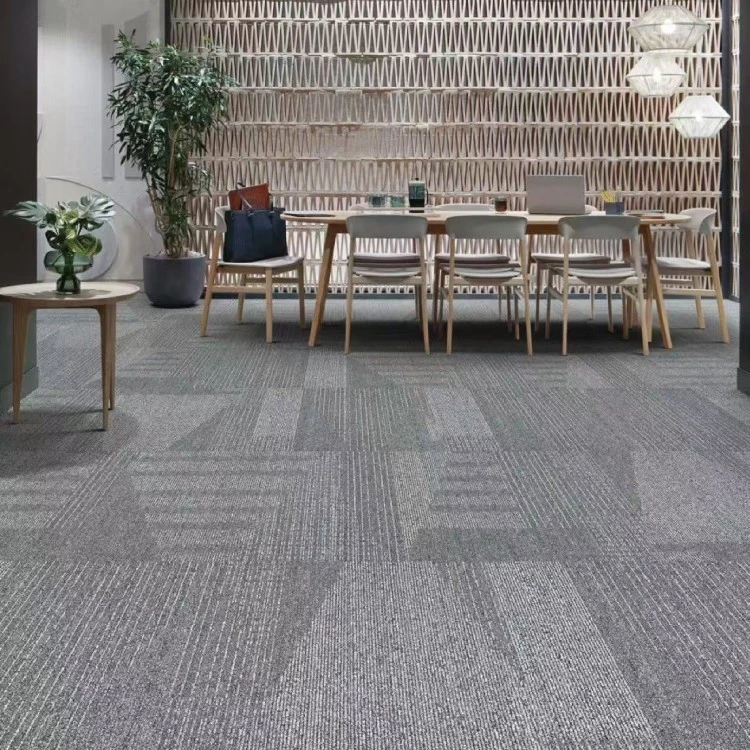
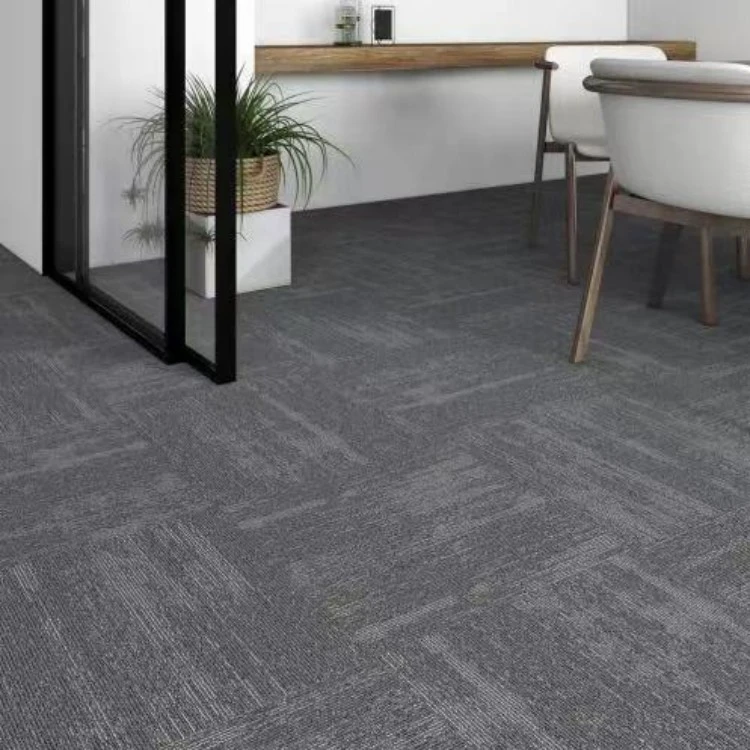
There are different techniques to bond the fibers. One common method is thermal bonding, where heat is applied to melt the fibers at their intersections, causing them to stick together. Another method is chemical bonding, which involves using adhesives to hold the fibers in place. After the bonding process, the fabric is cut into square shapes to create the rugs.
During the manufacturing process, maintaining a consistent thickness is a key challenge. The machinery used to lay out the fibers and perform the bonding needs to be precisely calibrated. For example, in the fiber - laying stage, the machine must distribute the fibers evenly across the surface. Any uneven distribution can lead to variations in thickness. Similarly, in the bonding process, inconsistent application of heat or adhesives can also affect the final thickness of the rug.
Factors Affecting the Thickness Consistency
Fiber Quality and Type
The quality and type of fibers used play a significant role in determining the thickness consistency of non - woven square rugs. Different fibers have different physical properties, such as elasticity and density. For instance, synthetic fibers like polyester are generally more uniform in size and shape compared to natural fibers like jute. This uniformity makes it easier to achieve a consistent thickness when using synthetic fibers.
Moreover, the quality of the fibers also matters. Low - quality fibers may have irregularities in their diameter or length, which can cause uneven distribution during the manufacturing process. This, in turn, can result in variations in the thickness of the final rug.
Manufacturing Equipment
The equipment used in the production of non - woven square rugs is another crucial factor. Outdated or poorly maintained machinery is more likely to produce rugs with inconsistent thickness. For example, if the rollers used to compress the fiber web are worn out, they may not apply pressure evenly across the surface of the rug. This can lead to areas that are thicker or thinner than others.
On the other hand, modern and well - maintained equipment is designed to provide precise control over the manufacturing process. Advanced sensors and control systems can monitor and adjust the fiber distribution, bonding pressure, and other parameters in real - time to ensure a more consistent thickness.
Production Environment
The production environment can also impact the thickness consistency of non - woven square rugs. Factors such as temperature and humidity can affect the properties of the fibers and the bonding agents. For example, high humidity can cause natural fibers to absorb moisture, making them more difficult to handle and potentially leading to uneven bonding.
In addition, dust and debris in the production area can contaminate the fiber web, affecting the bonding process and ultimately the thickness of the rug. Therefore, maintaining a clean and controlled production environment is essential for ensuring consistent thickness.
Our Approach to Ensuring Thickness Consistency
As a supplier, we are committed to providing non - woven square rugs with consistent thickness. We start by carefully selecting high - quality fibers. We work closely with our fiber suppliers to ensure that the fibers meet our strict quality standards. By using uniform and high - quality fibers, we can minimize the potential for thickness variations.
We also invest in state - of the - art manufacturing equipment. Our production facilities are equipped with the latest machinery that is designed to provide precise control over the manufacturing process. Regular maintenance and calibration of the equipment are carried out to ensure its optimal performance.
In addition, we have a strict quality control system in place. At every stage of the production process, our quality control team conducts thorough inspections. They use advanced measuring tools to check the thickness of the rugs at multiple points. If any variations are detected, the production process is immediately adjusted to correct the issue.
Types of Non - woven Square Rugs and Their Thickness Considerations
We offer a variety of non - woven square rugs, including Non - woven Base Printed Rug, Non - woven Base Solid Color Rug, and Non - woven Base Striped Rug.
For printed rugs, the printing process can sometimes affect the thickness. The ink used in the printing may add a small amount of thickness to the surface of the rug. However, we take this into account during the manufacturing process and adjust the thickness of the base fabric accordingly to ensure overall consistency.
Solid color rugs are generally easier to maintain a consistent thickness as there are no additional elements like printing or patterns that could potentially cause variations. We focus on ensuring the even distribution of fibers and proper bonding to achieve a uniform thickness across the entire rug.
Striped rugs, on the other hand, require special attention. The stripes are often created by using different colors or types of fibers. To ensure that the stripes do not cause thickness variations, we carefully control the fiber - laying process for each stripe. This involves precise alignment and distribution of the fibers to create a seamless and consistent - thickness rug.
Importance of Thickness Consistency
A non - woven square rug with consistent thickness offers several advantages. Firstly, it provides a more uniform appearance. When the thickness is consistent, the rug looks neater and more professional. This is especially important for commercial applications, such as in offices or hotels, where the aesthetic appeal of the rug is crucial.
Secondly, consistent thickness ensures better durability. A rug with uneven thickness is more likely to wear out unevenly. Areas that are thinner may be more prone to damage, such as tearing or fraying. By maintaining a consistent thickness, we can extend the lifespan of the rug and provide our customers with a more reliable product.
Finally, a rug with consistent thickness offers better comfort. When walking on a rug, an uneven surface can be uncomfortable and even pose a tripping hazard. A rug with a uniform thickness provides a smooth and stable surface, enhancing the overall comfort of the user.
Contact Us for Purchasing
If you are interested in our non - woven square rugs and would like to discuss your specific requirements, we encourage you to contact us. We have a team of experienced professionals who can provide you with detailed information about our products, including thickness specifications, color options, and pricing. Whether you are looking for a Non - woven Base Printed Rug, Non - woven Base Solid Color Rug, or Non - woven Base Striped Rug, we are here to assist you in finding the perfect rug for your needs.
References
- "Non - woven Fabric Technology" by John Smith
- "Textile Manufacturing Processes" by Jane Doe
- Industry reports on non - woven rug manufacturing