

As a supplier of Striped Printed Rug, I often get asked about the various properties of our rugs, and one question that comes up quite frequently is whether striped printed rugs can absorb sound. In this blog post, I'll delve into the science behind sound absorption and explore how striped printed rugs fit into the equation.
The Science of Sound Absorption
Before we can determine whether striped printed rugs absorb sound, it's important to understand how sound absorption works. Sound is a form of energy that travels in waves through the air. When these waves encounter a surface, they can be reflected, transmitted, or absorbed.
Sound absorption occurs when the energy of the sound wave is converted into heat energy as it passes through a material. Materials that are good at absorbing sound typically have porous or fibrous structures that allow the sound waves to penetrate and dissipate. The more porous or fibrous a material is, the more effective it is at absorbing sound.
Factors Affecting Sound Absorption in Rugs
Several factors can influence the sound absorption capabilities of a rug, including:
Material
The material of the rug plays a significant role in its sound absorption properties. Natural fibers such as wool are known for their excellent sound absorption capabilities due to their porous and fibrous structure. Synthetic fibers, on the other hand, may have varying degrees of sound absorption depending on their composition and manufacturing process.

Thickness
Thicker rugs generally have better sound absorption properties than thinner ones. This is because the extra thickness provides more material for the sound waves to penetrate and dissipate.
Density
The density of the rug also affects its sound absorption capabilities. A denser rug will have less air space between the fibers, which can make it more effective at absorbing sound.
Backing
The backing of the rug can also play a role in sound absorption. Rugs with a thick, rubberized backing may provide better sound insulation than those with a thin, non - rubberized backing.
Striped Printed Rugs and Sound Absorption
Now, let's consider how striped printed rugs specifically fare in terms of sound absorption.
Material Considerations
Our Striped Printed Rug comes in a variety of materials. If the rug is made from natural fibers like wool, it is likely to have good sound absorption properties. Wool fibers have a natural crimp and porosity that allow them to trap and dissipate sound waves effectively.
Even if the rug is made from synthetic fibers, modern manufacturing techniques can create fibers with porous structures that mimic the sound - absorbing qualities of natural fibers. For example, some synthetic rugs are designed with micro - porous fibers that can absorb sound to a certain extent.
Design and Structure
The striped pattern on the rug doesn't directly affect its sound absorption properties. However, the overall structure of the rug, which includes the weave and the way the fibers are arranged, can have an impact. A tightly woven rug may have different sound absorption characteristics compared to a loosely woven one.
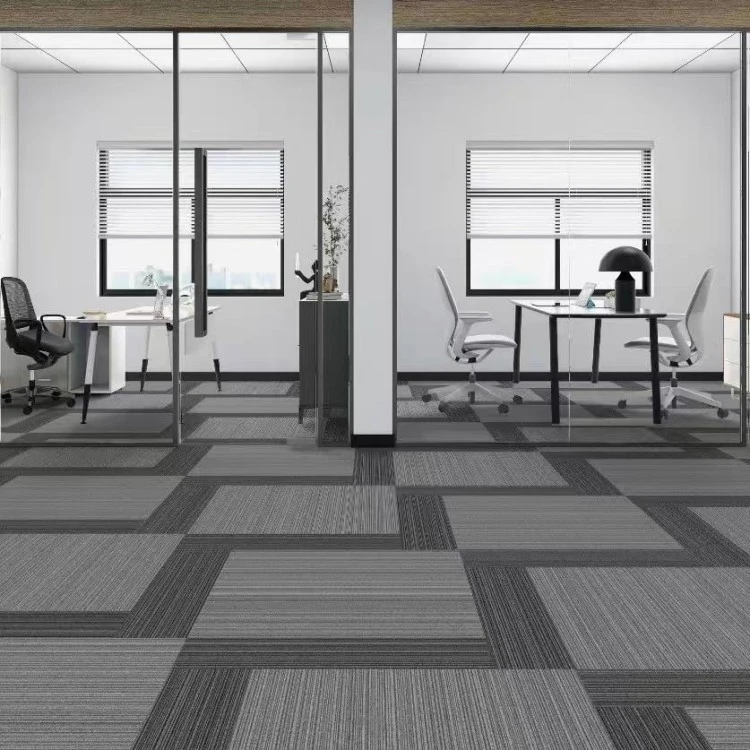
For instance, a Striped Long Rug with a plush pile may be more effective at absorbing sound than a flat - woven striped rug. The plush pile provides more surface area and air space for the sound waves to interact with, increasing the chances of absorption.
Installation and Placement
The way the rug is installed and placed in a room can also influence its sound - absorbing capabilities. A rug that covers a large area of the floor will generally be more effective at reducing sound reflections than a small rug. Additionally, placing the rug in a high - traffic area or an area where there is a lot of noise, such as near a TV or a busy hallway, can help to absorb the sound and create a more peaceful environment.
Benefits of Sound - Absorbing Rugs
If striped printed rugs do absorb sound, what are the benefits?
Reduced Noise Pollution
Sound - absorbing rugs can help to reduce the amount of noise that bounces around a room. This is especially beneficial in open - plan living spaces, offices, or rooms with hard surfaces like tile or hardwood floors, which tend to reflect sound. By absorbing sound, the rugs can create a more comfortable and quieter environment.
Improved Acoustics
In rooms where good acoustics are important, such as home theaters or music studios, sound - absorbing rugs can play a crucial role. They can help to improve the clarity of sound by reducing echoes and reverberation, making the audio experience more enjoyable.
Enhanced Privacy
In residential or commercial settings, sound - absorbing rugs can also provide a level of privacy. By reducing the amount of sound that travels between rooms, they can help to keep conversations and other noises from being overheard.
Conclusion
In conclusion, striped printed rugs can indeed absorb sound, especially if they are made from the right materials, have an appropriate thickness and density, and are installed correctly. As a supplier of Striped Printed Rug, we offer a range of rugs that not only add a touch of style to your space but also provide the benefit of sound absorption.
If you're interested in purchasing striped printed rugs for their sound - absorbing properties or for their aesthetic appeal, I encourage you to get in touch with us. We can provide you with more information about our products, help you choose the right rug for your needs, and assist you in the purchasing process. Whether you're looking to decorate a small room or a large commercial space, our rugs are designed to meet your requirements.
References
- Beranek, Leo L. "Acoustics." American Institute of Physics, 1954.
- Harris, Cyril M. "Handbook of Acoustical Measurements and Noise Control." McGraw - Hill, 1991.
- Kinsler, Lawrence E., et al. "Fundamentals of Acoustics." Wiley, 2000.