

How to choose a striped printed rug based on traffic flow?
As a supplier of Striped Printed Rugs, I've witnessed firsthand the transformative power these rugs can bring to a space. One of the most crucial factors to consider when selecting a striped printed rug is the traffic flow in the area where it will be placed. Traffic flow refers to the movement of people through a space, and it plays a significant role in determining the durability, functionality, and aesthetic appeal of a rug. In this blog post, I'll share some insights on how to choose a striped printed rug based on traffic flow.
Understanding Traffic Flow
Before diving into rug selection, it's essential to understand the different types of traffic flow in a space. High-traffic areas are those where people move frequently, such as hallways, entryways, living rooms, and kitchens. These areas require rugs that can withstand heavy foot traffic, resist stains, and maintain their appearance over time. Low-traffic areas, on the other hand, are spaces where people move less often, such as bedrooms, home offices, and formal dining rooms. Rugs in these areas can be more delicate and decorative, as they won't be subjected to as much wear and tear.
High-Traffic Areas
When choosing a striped printed rug for a high-traffic area, durability should be your top priority. Look for rugs made from sturdy materials such as wool, nylon, or polypropylene. Wool is a natural fiber that is known for its durability, resilience, and stain resistance. Nylon is a synthetic fiber that is strong, abrasion-resistant, and easy to clean. Polypropylene is a synthetic fiber that is lightweight, stain-resistant, and affordable.
In addition to durability, consider the pattern and color of the rug. Striped patterns are a popular choice for high-traffic areas because they can help to disguise dirt and stains. Opt for bold, dark colors or neutral tones that will hide wear and tear over time. Avoid light-colored rugs or rugs with intricate patterns, as these can show dirt and stains more easily.
Another important factor to consider is the size and shape of the rug. In high-traffic areas, it's best to choose a rug that is large enough to cover the majority of the floor space. This will help to protect the underlying flooring and prevent dirt and debris from accumulating. Rectangular or runner rugs are a great choice for hallways and entryways, while larger area rugs are ideal for living rooms and kitchens.
Here are some specific recommendations for high-traffic areas:
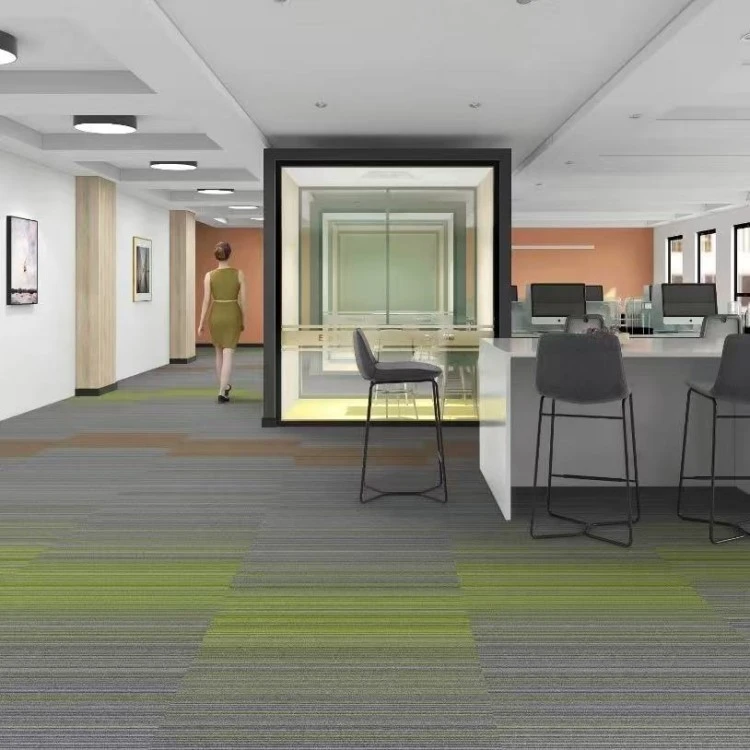
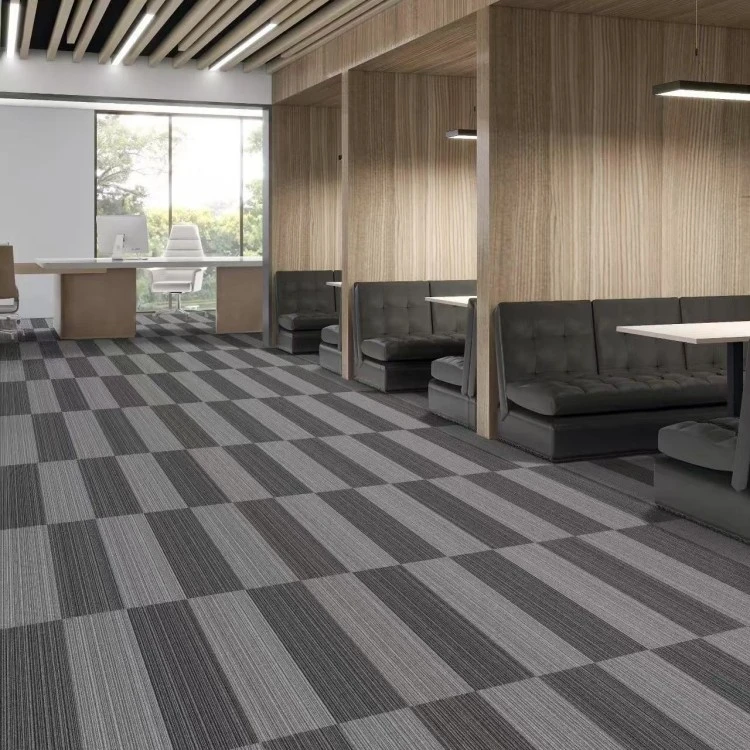
- Hallways and Entryways: Choose a Striped Long Rug that is at least 2-3 feet wide and long enough to cover the length of the hallway. Look for a rug with a low pile height to prevent tripping hazards.
- Living Rooms: Select a large area rug that is at least 8x10 feet or larger to cover the seating area. Choose a rug with a medium pile height for comfort and durability.
- Kitchens: Opt for a washable rug that can be easily cleaned. Look for a rug made from polypropylene or nylon, as these materials are resistant to stains and moisture.
Low-Traffic Areas
In low-traffic areas, you have more flexibility when it comes to rug selection. You can choose a rug based on your personal style and preferences, as long as it complements the overall decor of the room. Look for rugs made from softer materials such as cotton, silk, or jute. These materials are more delicate and require more care, but they can add a touch of luxury and elegance to a space.
When selecting a pattern and color for a low-traffic area, you can be more adventurous. Choose a rug with a bold pattern or bright color to make a statement. Light-colored rugs or rugs with intricate patterns can also work well in these areas, as they won't be subjected to as much wear and tear.
The size and shape of the rug will depend on the size and layout of the room. In bedrooms, a large area rug can help to create a cozy and inviting atmosphere. In home offices, a smaller rug can add a touch of comfort and style to the workspace. In formal dining rooms, a rectangular rug that is large enough to fit under the dining table and chairs is ideal.
Here are some specific recommendations for low-traffic areas:
- Bedrooms: Choose a large area rug that is at least 8x10 feet or larger to cover the majority of the floor space. Look for a rug with a soft, plush pile height for comfort.
- Home Offices: Select a smaller rug that is approximately 4x6 feet or smaller to fit under the desk. Choose a rug with a low pile height to prevent tripping hazards.
- Formal Dining Rooms: Opt for a rectangular rug that is at least 8x10 feet or larger to fit under the dining table and chairs. Look for a rug with a medium pile height for comfort and durability.
Conclusion
Choosing the right striped printed rug based on traffic flow is essential for ensuring the durability, functionality, and aesthetic appeal of your space. By considering the factors discussed in this blog post, you can select a rug that will withstand heavy foot traffic, resist stains, and enhance the overall decor of your room.
If you're interested in purchasing a Striped Printed Rug, I encourage you to contact me to discuss your specific needs and preferences. I offer a wide range of striped printed rugs in various sizes, shapes, colors, and materials to suit any style and budget. Let's work together to find the perfect rug for your space!
References
- Interior Design: The Basics by Sarah Richardson
- The Complete Guide to Area Rugs by Ruggable
- Rug Buying Guide by Wayfair