

Slip resistance is a crucial factor when it comes to printed loop pile carpets, especially in areas with high foot traffic or where moisture is present, such as hallways, kitchens, and bathrooms. As a supplier of printed loop pile carpets, I understand the importance of providing products that not only look great but also ensure safety. In this blog post, I will share some effective ways to improve the slip resistance of printed loop pile carpets.
Understanding the Factors Affecting Slip Resistance
Before diving into the solutions, it's essential to understand the factors that influence the slip resistance of a carpet. The main factors include the fiber type, pile height, backing material, and the surface on which the carpet is installed.
- Fiber Type: Different fibers have varying levels of friction. For example, natural fibers like wool tend to have better slip resistance compared to synthetic fibers. However, synthetic fibers can also be engineered to have high friction properties.
- Pile Height: Shorter pile heights generally offer better slip resistance because they provide more contact with the surface and reduce the likelihood of the foot slipping between the fibers.
- Backing Material: The backing of the carpet plays a significant role in slip resistance. A good backing material should provide stability and grip on the floor. Rubber or latex backings are commonly used for their excellent slip-resistant properties.
- Installation Surface: The surface on which the carpet is installed can also affect its slip resistance. A smooth, clean surface will provide better grip than a rough or dirty one.
Selecting the Right Materials
- Fiber Selection: When choosing fibers for your printed loop pile carpet, opt for materials with high friction coefficients. Nylon is a popular choice due to its durability and relatively high slip resistance. Polyester can also be a good option, especially if it is treated to enhance its grip. Wool, as mentioned earlier, is another excellent choice for its natural slip-resistant qualities.
- Backing Material: As mentioned, rubber or latex backings are ideal for improving slip resistance. These materials provide a strong grip on the floor and prevent the carpet from shifting. Additionally, some backings are designed with special textures or patterns that further enhance traction.
Design and Construction
- Pile Design: Consider using a loop pile design with a tight, uniform structure. This type of pile provides more contact points with the surface, increasing friction and reducing the risk of slipping. Avoid using loose or uneven loops, as they can create a tripping hazard.
- Pattern and Texture: Incorporating patterns or textures into the carpet design can also improve slip resistance. For example, a carpet with a raised pattern or a textured surface will provide more grip than a smooth one. You can also use different colors or shades to create a visual contrast that helps users identify potential slip areas.
Treatment and Coating
- Anti-Slip Treatments: There are various anti-slip treatments available that can be applied to the surface of the carpet. These treatments work by increasing the friction between the carpet and the foot. Some treatments are water-based and can be easily applied during the manufacturing process, while others are solvent-based and require more specialized equipment.
- Coatings: Applying a thin layer of coating to the carpet can also enhance its slip resistance. For example, a polyurethane coating can provide a smooth, durable surface that is resistant to slipping. However, it's important to choose a coating that does not affect the appearance or texture of the carpet.
Installation and Maintenance
- Proper Installation: Ensuring proper installation is crucial for maximizing the slip resistance of your printed loop pile carpet. Make sure the carpet is stretched tightly and secured to the floor using appropriate adhesives or fasteners. A loose or wrinkled carpet can increase the risk of slipping.
- Regular Cleaning and Maintenance: Regular cleaning and maintenance are essential for keeping your carpet in good condition and maintaining its slip resistance. Vacuum the carpet regularly to remove dirt, dust, and debris that can reduce friction. Additionally, clean up spills immediately to prevent them from creating a slippery surface.
Examples of Slip-Resistant Printed Loop Pile Carpets
At our company, we offer a range of slip-resistant printed loop pile carpets that are designed to meet the highest safety standards. Here are some examples:
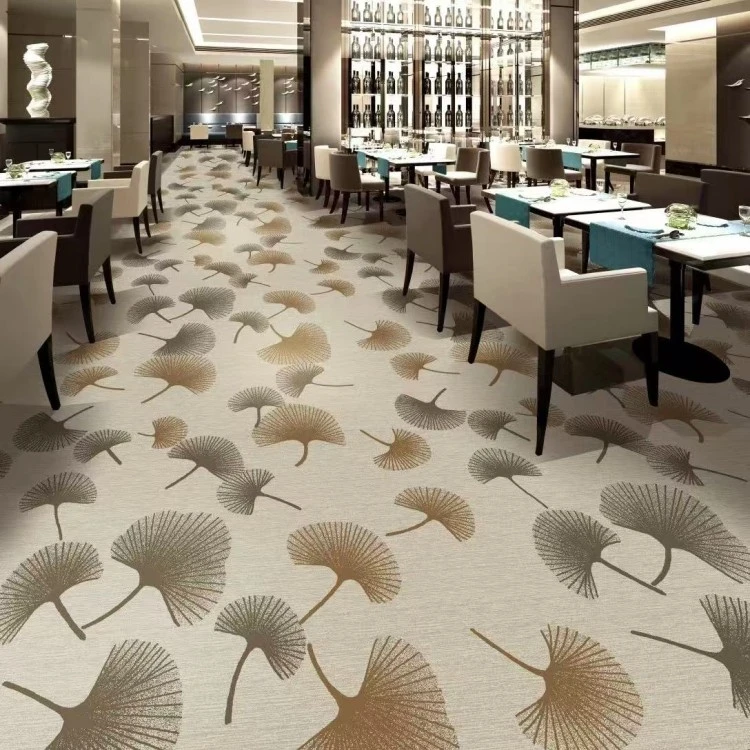
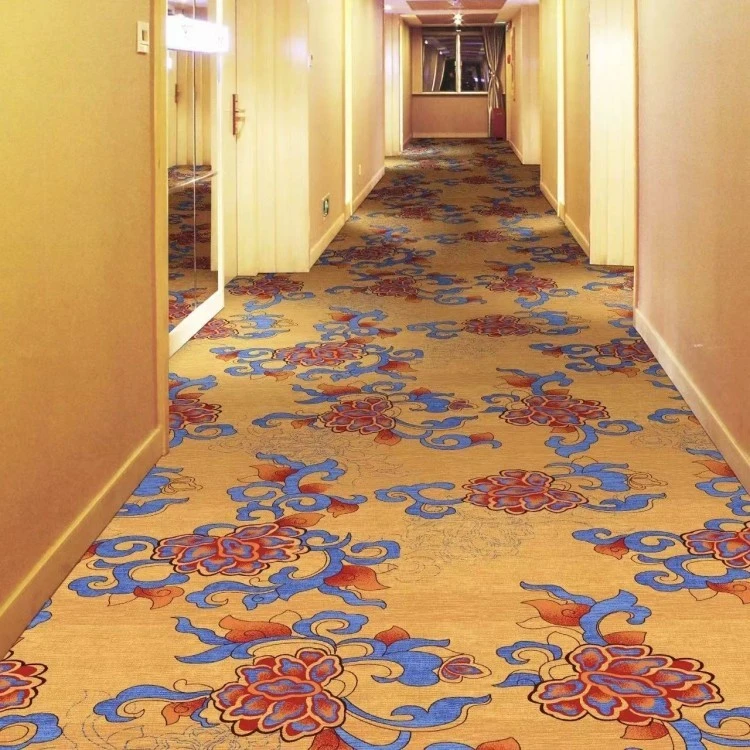
- Lucky Cloud Printed Carpet: This carpet features a beautiful cloud pattern and is made from high-quality nylon fibers with a rubber backing. It provides excellent slip resistance and is suitable for both residential and commercial applications.
- Cloud-patterned Floral Printed Carpet: With its delicate floral design and cloud pattern, this carpet adds a touch of elegance to any space. It is made from a blend of polyester and wool fibers and has a latex backing for enhanced slip resistance.
- Simple and Elegant Ginkgo - Printed Carpet: This carpet features a simple yet elegant ginkgo leaf pattern and is made from 100% wool fibers. It has a tight loop pile design and a rubber backing, providing superior slip resistance and durability.
Conclusion
Improving the slip resistance of a printed loop pile carpet is essential for ensuring the safety of users. By selecting the right materials, designing the carpet with slip resistance in mind, applying appropriate treatments and coatings, and ensuring proper installation and maintenance, you can provide a high-quality, slip-resistant carpet that meets the needs of your customers.
If you are interested in purchasing our slip-resistant printed loop pile carpets or have any questions about our products, please feel free to contact us. We are always happy to assist you with your carpet needs.
References
- ASTM International. (2019). Standard test method for measuring the static coefficient of friction of ceramic tile and other like surfaces by the horizontal pull meter method. ASTM D2047 - 19.
- Carpet and Rug Institute. (2020). Carpet performance standards and testing methods. Retrieved from [Carpet and Rug Institute website].
- National Floor Safety Institute. (2021). Slip resistance testing and standards. Retrieved from [National Floor Safety Institute website].