

Storing a living room rug during the off-season is a crucial task that can significantly extend its lifespan and maintain its aesthetic appeal. As a living room rug supplier, I've witnessed firsthand the impact of proper storage on the quality of rugs. In this blog, I'll share some professional tips on how to store your living room rug effectively during the off-season.
Step 1: Clean the Rug Thoroughly
Before storing your living room rug, it's essential to clean it thoroughly to remove dirt, dust, and stains. A dirty rug can attract pests and develop mold or mildew during storage, which can damage the fibers and ruin the rug's appearance.
- Vacuum the Rug: Start by vacuuming both sides of the rug to remove loose dirt and debris. Use a vacuum cleaner with a brush attachment to get into the fibers and remove embedded dirt. Pay special attention to the edges and corners of the rug, where dirt tends to accumulate.
- Spot Clean Stains: If there are any stains on the rug, spot clean them using a mild detergent and water. Test the cleaning solution on a small, inconspicuous area of the rug first to ensure it doesn't cause any discoloration or damage. Gently blot the stain with a clean cloth or sponge, working from the outside in to prevent the stain from spreading.
- Deep Clean the Rug: For a more thorough cleaning, you can have the rug professionally cleaned. Professional rug cleaners have the equipment and expertise to clean rugs safely and effectively, removing deep-seated dirt and stains without damaging the fibers.
Step 2: Inspect the Rug for Damage
Once the rug is clean, inspect it carefully for any signs of damage, such as holes, tears, or frayed edges. Repair any damage before storing the rug to prevent it from getting worse over time.
- Repair Holes and Tears: Small holes and tears can be repaired using a rug repair kit or by sewing the edges together with a needle and thread. For larger holes or tears, it's best to have the rug professionally repaired.
- Trim Frayed Edges: Use a pair of sharp scissors to trim any frayed edges of the rug. This will prevent the fraying from spreading and give the rug a neat appearance.
Step 3: Roll the Rug Properly
Rolling the rug correctly is essential to prevent it from creasing or wrinkling during storage. Here's how to roll a living room rug properly:
- Lay the Rug Flat: Find a clean, flat surface to lay the rug on. Make sure the surface is free of dirt and debris to avoid getting the rug dirty again.
- Roll the Rug Tightly: Starting from one end of the rug, roll it tightly towards the other end. Use your hands to smooth out any wrinkles or bumps as you roll.
- Secure the Roll: Once the rug is rolled, secure it with twine or a rug strap to keep it from unrolling. Make sure the twine or strap is not too tight, as this can cause the rug to crease.
Step 4: Choose the Right Storage Location
The storage location you choose for your living room rug can have a significant impact on its condition during the off-season. Here are some factors to consider when choosing a storage location:
- Temperature and Humidity: The ideal storage temperature for rugs is between 50°F and 70°F, with a relative humidity of 30% to 50%. Avoid storing the rug in areas that are too hot, cold, or humid, as this can cause the fibers to shrink, expand, or develop mold.
- Light Exposure: Direct sunlight can fade the colors of the rug over time. Choose a storage location that is away from windows or other sources of direct sunlight.
- Pest Protection: Rugs can attract pests such as moths, carpet beetles, and silverfish. To prevent pest infestations, store the rug in a clean, dry area and use pest control products such as mothballs or cedar chips.
Step 5: Store the Rug in a Protective Cover
To further protect the rug during storage, it's a good idea to store it in a protective cover. A rug cover can help prevent dust, dirt, and pests from getting to the rug and keep it clean and in good condition.
- Choose the Right Cover: There are several types of rug covers available, including plastic, fabric, and cardboard. Choose a cover that is large enough to fit the rolled rug and provides adequate protection.
- Label the Cover: To make it easier to identify the rug later, label the cover with the rug's size, color, and pattern. This will help you find the rug quickly when you're ready to use it again.
Step 6: Check the Rug Regularly
Even if you've stored the rug properly, it's still a good idea to check it regularly during the off-season to make sure it's in good condition. Here's how often you should check the rug:
- Monthly Checks: For the first few months of storage, check the rug monthly to make sure it's not developing any mold, mildew, or pest infestations. If you notice any problems, take action immediately to prevent them from getting worse.
- Quarterly Checks: After the first few months, you can reduce the frequency of your checks to once every three months. This will help you catch any problems early and keep the rug in good condition.
Our Living Room Rug Collection
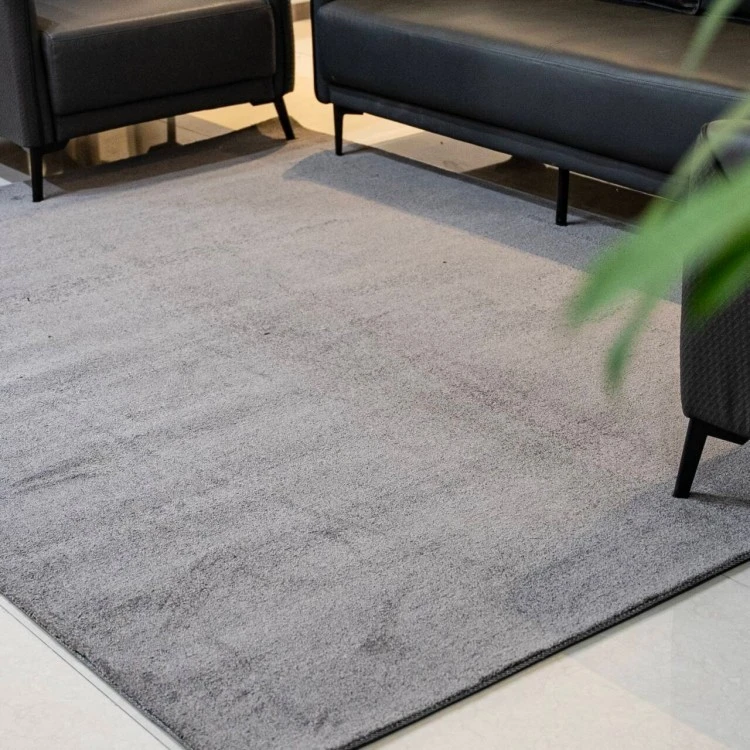
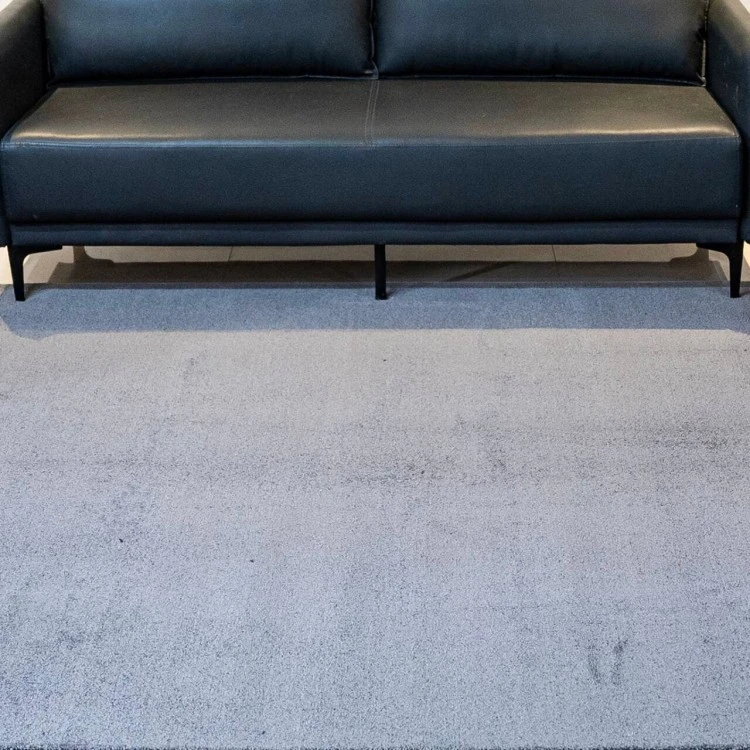
At our company, we offer a wide range of high-quality living room rugs to suit every style and budget. Some of our popular rug options include the High-grade Grey Nylon Rug, the Striped Solid-colored Rug, and the Blue-colored Fireworks Patterned Plain Rug. These rugs are made from premium materials and are designed to last for years.
If you're interested in purchasing a living room rug or have any questions about rug storage, please don't hesitate to contact us. Our team of experts is always available to help you find the perfect rug for your home and provide you with professional advice on rug care and maintenance.
References
- "Rug Care and Maintenance Guide." The Rug Seller.
- "How to Store Rugs." Better Homes & Gardens.
- "Tips for Storing Rugs." HGTV.