

When it comes to basement flooring, the choice of carpet color can significantly impact not only the aesthetics but also the functionality of the space. As a supplier of a wide range of carpets, particularly Dark Brown-colored Carpet, I am often asked whether a dark brown-colored carpet is a good option for a basement. In this blog post, we will explore the various aspects of using dark brown carpets in basements to help you make an informed decision.
Aesthetics and Ambiance
One of the primary considerations when choosing a carpet for a basement is the overall aesthetic and ambiance you want to create. Dark brown carpets have a rich, warm, and inviting tone that can add a touch of sophistication to any basement. Unlike lighter colors that might make a space feel stark or clinical, dark brown creates a cozy and intimate atmosphere. This is especially beneficial in basements, which are often used as relaxation areas, home theaters, or game rooms.
The deep, earthy tones of dark brown can also complement a variety of interior design styles. Whether your basement has a rustic, modern, or traditional decor, a dark brown carpet can serve as a versatile backdrop. It pairs well with wooden furniture, metal accents, and both light and dark wall colors. For instance, if you have a basement with exposed brick walls, a dark brown carpet can enhance the industrial-chic look.
Concealing Dirt and Stains
Basements are prone to dirt, dust, and occasional spills, especially if they are used for activities like exercise or storage. A significant advantage of dark brown carpets is their ability to conceal dirt and stains better than lighter-colored options. Light carpets, such as the Creamy White Solid-color Carpet, require more frequent cleaning and are more likely to show dirt and spills immediately. In a basement, where foot traffic might carry in dirt from outside, a dark brown carpet can maintain its appearance for longer periods without looking dirty.
However, it's important to note that while dark brown carpets are better at hiding surface dirt, they still need regular cleaning to prevent the buildup of dust and allergens. Vacuuming at least once a week and deep cleaning every few months is recommended to keep the carpet in good condition.
Lighting Considerations
One of the potential drawbacks of using a dark brown carpet in a basement is its impact on lighting. Basements typically have less natural light compared to other areas of the house. A dark-colored carpet can absorb light, making the space seem darker and smaller. To counteract this effect, it's essential to incorporate adequate artificial lighting in the basement.
Installing recessed lighting, wall sconces, or floor lamps can help brighten up the area and create a more balanced look. Additionally, choosing light-colored walls and furniture can reflect light and make the basement feel more open and airy. If you're concerned about the lighting, you might also consider a Light Brown-colored Carpet, which offers a similar warm tone but is lighter and reflects more light.
Moisture Resistance
Moisture is a common issue in basements, and it can cause significant problems for carpets, including mold and mildew growth. When choosing a dark brown carpet for a basement, it's crucial to select a material that is moisture-resistant. Polypropylene, for example, is a popular choice for basement carpets because it is naturally water-repellent and does not absorb moisture easily.
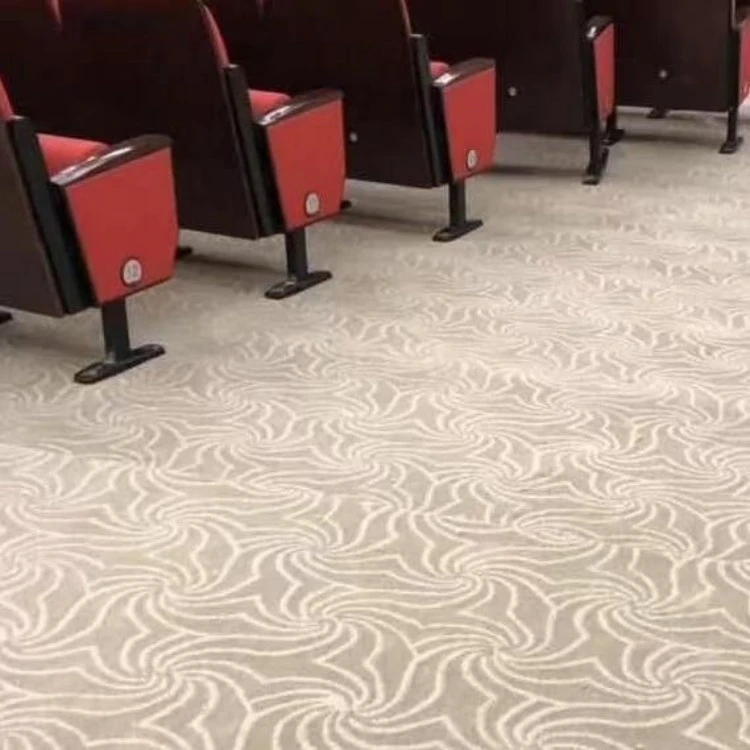
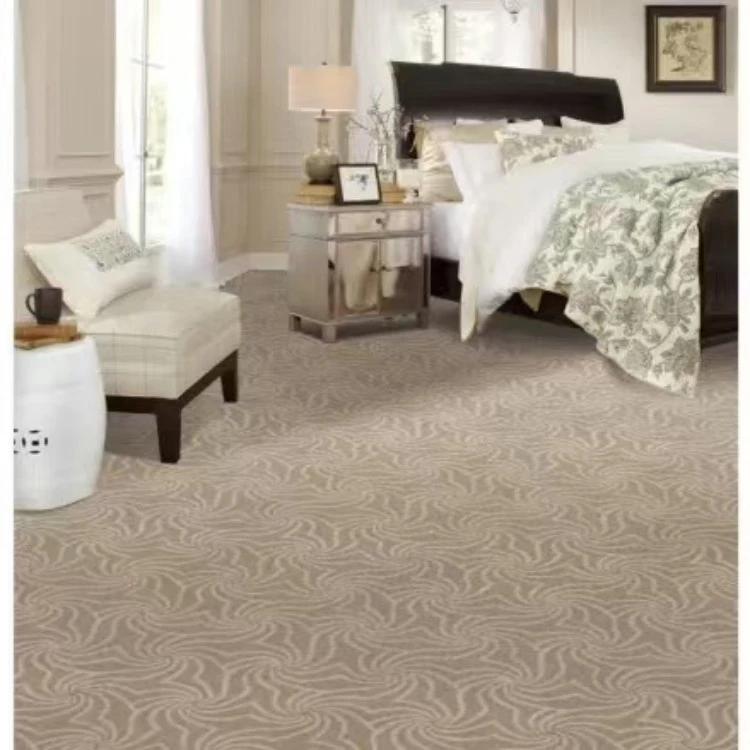
Our Dark Brown-colored Carpet is made from high-quality polypropylene, which provides excellent moisture resistance. Additionally, it's a good idea to install a moisture barrier underneath the carpet to prevent any moisture from seeping up from the concrete floor. Ensuring proper ventilation in the basement can also help reduce humidity levels and prevent moisture-related issues.
Durability
Basements often experience high traffic, especially if they are used as playrooms, home gyms, or entertainment areas. Therefore, durability is a key factor when choosing a carpet. Dark brown carpets made from polypropylene are known for their durability. Polypropylene fibers are strong and resistant to wear and tear, making them suitable for high-traffic areas.
These carpets can withstand heavy foot traffic, furniture movement, and even the occasional spill without showing significant signs of damage. They are also resistant to fading, which means they will maintain their color and appearance over time, even with exposure to sunlight or artificial light sources in the basement.
Cost-Effectiveness
Another advantage of dark brown carpets, particularly those made from polypropylene, is their cost-effectiveness. Polypropylene is a relatively inexpensive material compared to other carpet fibers, such as wool or nylon. This makes it a budget-friendly option for basement flooring, especially if you have a large area to cover.
In addition to the lower initial cost, the durability and easy maintenance of polypropylene carpets can also save you money in the long run. You won't have to replace the carpet as frequently due to wear and tear, and the reduced need for professional cleaning can also cut down on maintenance costs.
Conclusion
In conclusion, a dark brown-colored carpet can be an excellent option for a basement, offering a combination of aesthetic appeal, dirt concealment, durability, and cost-effectiveness. However, it's important to consider factors such as lighting and moisture resistance when making your decision. If you're willing to address these potential challenges with proper lighting and moisture prevention measures, a dark brown carpet can transform your basement into a warm and inviting space.
If you're interested in purchasing a Dark Brown-colored Carpet for your basement or have any questions about our products, please feel free to reach out to us for more information and to start a procurement discussion. We're here to help you find the perfect carpet solution for your needs.
References
- "Carpet Buying Guide." HomeAdvisor.
- "Moisture and Mold Prevention in Basements." EPA.
- "Choosing the Right Carpet for High-Traffic Areas." Carpet and Rug Institute.