

As a living room rug supplier, I've always been intrigued by the diverse range of materials used in rug production and their respective environmental impacts. In this blog, I'll explore the environmental implications of different living room rug materials, shedding light on both the positive and negative aspects to help you make an informed decision when choosing a rug for your living space.
Natural Fiber Rugs
Wool Rugs
Wool is a popular choice for living room rugs due to its durability, softness, and natural insulating properties. It is a renewable resource, as sheep can be shorn annually without harm. Additionally, wool is biodegradable, meaning it will break down naturally over time, reducing its long - term environmental impact.
However, the production of wool rugs also has some environmental drawbacks. The sheep farming industry can contribute to deforestation if large areas of land are cleared for grazing. Moreover, the use of pesticides and fertilizers in the fields where sheep graze can lead to water pollution. In addition, the processing of wool, which often involves washing, dyeing, and finishing, can consume significant amounts of water and energy and may release chemicals into the environment.
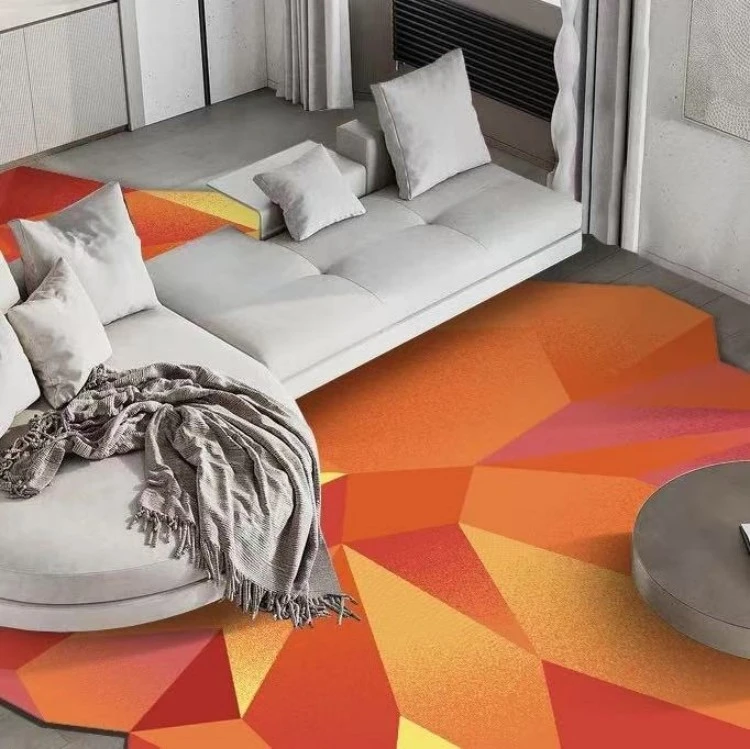
For those interested in a wool - based option, our Warm Color - patterned Rug offers a blend of style and the natural benefits of wool.

Cotton Rugs
Cotton is another common material for living room rugs. It is a natural fiber that is soft, breathable, and easy to clean. Cotton is also biodegradable, making it an environmentally friendly choice at the end of its life cycle.
One of the major environmental concerns with cotton production is its high water consumption. Cotton is a water - intensive crop, and in many regions, large amounts of water are diverted from rivers and aquifers for irrigation. Pesticide and fertilizer use in cotton farming can also have negative impacts on soil quality and water systems. However, organic cotton, which is grown without the use of synthetic pesticides and fertilizers, can mitigate some of these issues.
Our Diamond - shaped Plain - colored Printed Rug is available in cotton, providing a stylish and potentially more sustainable option when choosing organic cotton.
Jute Rugs
Jute is a natural fiber that is known for its strength and affordability. It is a fast - growing plant, which means it can be harvested relatively quickly, making it a renewable resource. Jute plants also absorb carbon dioxide during their growth, helping to reduce greenhouse gas emissions.
Jute rugs are biodegradable, so they do not contribute to landfill waste. However, the processing of jute into rugs can be energy - intensive, especially during the spinning and weaving processes. Additionally, the use of dyes and chemicals in the finishing of jute rugs can have environmental implications if not properly managed.
Synthetic Fiber Rugs
Polyester Rugs
Polyester is a synthetic fiber commonly used in rug production. It is durable, stain - resistant, and relatively inexpensive. Polyester rugs can mimic the look of natural fiber rugs, making them a popular choice for many consumers.
The main environmental concern with polyester is that it is derived from petroleum, a non - renewable resource. The production of polyester involves energy - intensive processes and the release of greenhouse gases. Polyester is also non - biodegradable, which means that at the end of its life, it will remain in landfills for a long time. However, some manufacturers are now producing recycled polyester rugs, which use post - consumer plastic bottles and other waste materials, reducing the demand for new petroleum - based products.
Nylon Rugs
Nylon is another synthetic fiber used in living room rugs. It is strong, resilient, and has good stain - resistance. Nylon rugs are often used in high - traffic areas because of their durability.
Similar to polyester, nylon is made from petroleum, so its production has a significant environmental footprint. The manufacturing process of nylon is energy - intensive and can release harmful chemicals into the environment. Nylon is also non - biodegradable, contributing to long - term waste in landfills.
Acrylic Rugs
Acrylic rugs are known for their softness, colorfastness, and ability to mimic the look of wool. They are often less expensive than wool rugs, making them an attractive option for budget - conscious consumers.
Acrylic is a synthetic fiber made from acrylonitrile, which is derived from petroleum. The production of acrylic involves the use of toxic chemicals, and the manufacturing process can be energy - intensive. Like other synthetic fibers, acrylic is non - biodegradable and can persist in the environment for a long time.
Sustainable Alternatives and Considerations
When choosing a living room rug, there are several ways to minimize the environmental impact. Opting for rugs made from sustainable materials such as organic cotton, recycled synthetic fibers, or responsibly sourced natural fibers is a great start. Look for rugs that are certified by organizations such as the Global Organic Textile Standard (GOTS) for organic fibers or the Global Recycling Standard (GRS) for recycled materials.
Another important consideration is the manufacturing process. Rugs that are produced using eco - friendly practices, such as low - water dyeing techniques, energy - efficient production methods, and the use of natural dyes, can have a lower environmental impact.
In addition, the lifespan of a rug is an important factor. Investing in a high - quality rug that will last for many years can reduce the need for frequent replacements, thereby reducing overall waste.
Our Blue - colored Fireworks Patterned Plain Rug is designed with both style and sustainability in mind. We are committed to offering a range of rugs that meet different environmental standards, ensuring that our customers can make an environmentally responsible choice.
Conclusion
The environmental impacts of different living room rug materials vary widely. Natural fiber rugs, while often biodegradable and renewable, can still have environmental challenges during production. Synthetic fiber rugs, on the other hand, are typically derived from non - renewable resources and are non - biodegradable.
As a living room rug supplier, I understand the importance of providing customers with information to make sustainable choices. By considering the environmental implications of different rug materials, we can all contribute to a more sustainable future. Whether you're looking for the natural warmth of wool, the affordability of jute, or the durability of synthetic fibers, there are options available that balance style, functionality, and environmental responsibility.
If you're interested in learning more about our rug products or discussing potential purchases, I encourage you to reach out for a procurement discussion. We're here to help you find the perfect rug for your living room while minimizing your environmental footprint.
References
- "Textile Fibers: Properties, Production, and Processing" by David J. Vaughn
- "Sustainable Textiles: Life Cycle and Environmental Impact" by Kate Fletcher
- "Environmental Impact of Synthetic Fibers" - Journal of Environmental Science and Technology