

As a supplier of printed loop pile carpets, I've had numerous opportunities to interact with clients, designers, and environmentalists. The topic of environmental impacts in carpet production often surfaces during these conversations. In this blog, I'll delve into the environmental implications associated with making a printed loop pile carpet.
Raw Material Extraction
The journey of a printed loop pile carpet begins with the extraction of raw materials. Most printed loop pile carpets are made from synthetic fibers such as nylon, polyester, or polypropylene. These synthetic materials are derived from petrochemicals, which are non - renewable resources. The extraction of petrochemicals involves drilling and mining operations. These activities can lead to habitat destruction, soil erosion, and water pollution. For instance, oil spills during offshore drilling can have catastrophic effects on marine ecosystems, killing fish, birds, and other wildlife.
Moreover, the refining process of petrochemicals into synthetic fibers is energy - intensive. A significant amount of fossil fuels are burned to generate the heat and power required for polymerization and spinning processes. This results in the emission of large quantities of greenhouse gases, contributing to global warming and climate change.
Manufacturing Processes
Once the raw materials are ready, the manufacturing of printed loop pile carpets involves several energy - consuming steps. The tufting process, where the fibers are inserted into a backing material, requires high - powered machinery. These machines run on electricity, which is often generated from coal - fired power plants in many regions. Coal - fired power generation is one of the major sources of air pollution, releasing sulfur dioxide, nitrogen oxides, and particulate matter into the atmosphere. These pollutants can cause respiratory problems in humans and damage to plants and wildlife.
The printing phase of the carpet is another area of concern. The inks used in printing can contain volatile organic compounds (VOCs). When these inks dry, the VOCs are released into the air, contributing to indoor and outdoor air pollution. VOCs can react with sunlight and other chemicals in the atmosphere to form ground - level ozone, a major component of smog. Exposure to high levels of ozone can cause irritation of the eyes, nose, and throat, as well as damage to the lungs.
In addition, the dyeing and finishing processes in carpet manufacturing use large amounts of water. The water used in these processes becomes contaminated with dyes, chemicals, and heavy metals. If this wastewater is not properly treated before being discharged into water bodies, it can have severe impacts on aquatic life. Heavy metals such as lead and mercury can accumulate in the tissues of fish and other aquatic organisms, and when consumed by humans, can cause serious health problems.
Packaging and Transportation
After the carpets are manufactured, they need to be packaged and transported to distributors and customers. The packaging materials, such as plastic wraps and cardboard boxes, contribute to solid waste generation. Plastic packaging is particularly problematic as it is non - biodegradable and can persist in the environment for hundreds of years.
Transportation of carpets also has environmental implications. Most carpets are transported by trucks, ships, or airplanes, all of which rely on fossil fuels. The burning of these fuels releases carbon dioxide and other pollutants into the atmosphere. Long - distance transportation, especially by air, can have a significant carbon footprint due to the high fuel consumption of aircraft.
End - of - Life Disposal
When a printed loop pile carpet reaches the end of its useful life, it often ends up in landfills. Carpets made from synthetic materials do not decompose easily, taking up valuable space in landfills. As the carpet breaks down over time, it can release harmful chemicals into the soil and groundwater. For example, some synthetic fibers may release microplastics into the environment, which can be ingested by wildlife and potentially enter the food chain.
Our Efforts as a Supplier
At our company, we are aware of these environmental challenges and are taking steps to minimize the environmental impacts of our printed loop pile carpets. We are exploring the use of recycled synthetic fibers in our carpet production. For example, recycled polyester can be made from post - consumer plastic bottles. By using recycled materials, we reduce the demand for virgin petrochemicals and decrease the energy consumption associated with raw material extraction.
In terms of the printing process, we are researching and implementing low - VOC inks. These inks have a reduced impact on air quality and are safer for both our workers and the environment. We are also working on improving our water treatment systems to ensure that the wastewater from our dyeing and finishing processes is properly treated before being discharged.
We are also looking into more sustainable packaging options. For example, we are considering the use of biodegradable plastics and recycled cardboard for our packaging. Additionally, we are optimizing our transportation routes to reduce fuel consumption and emissions.
Examples of Our Products
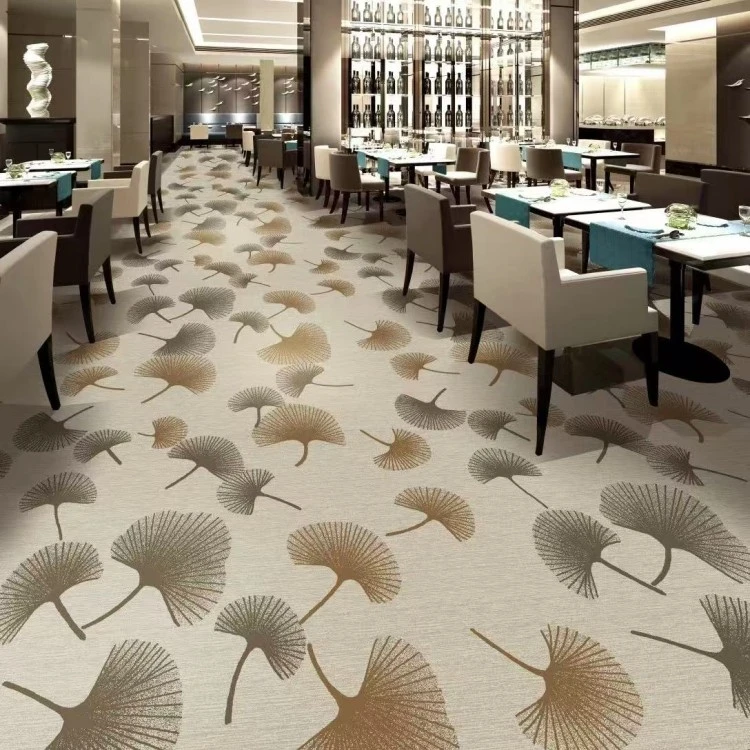
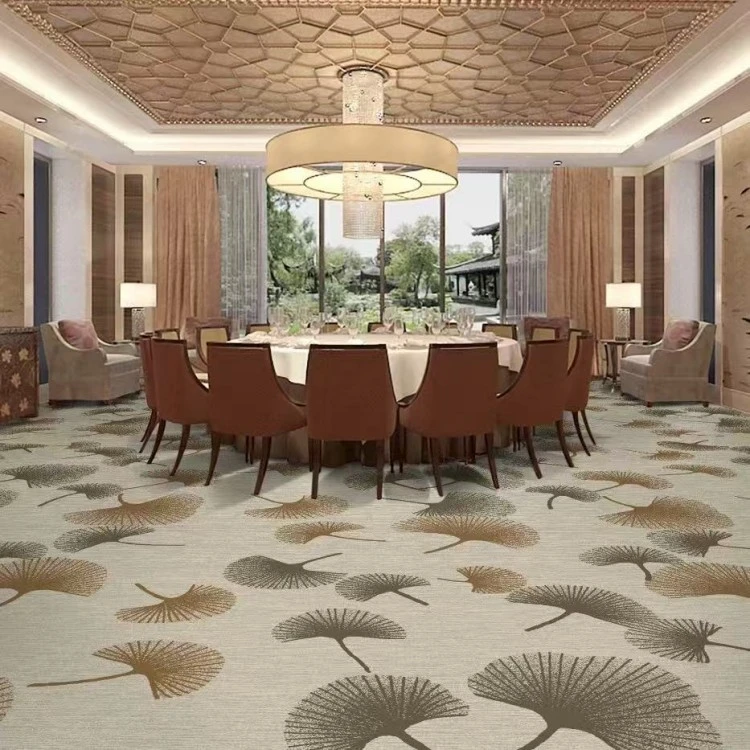
We offer a variety of printed loop pile carpets, each with its unique design and style. For instance, the Simple and Elegant Ginkgo - Printed Carpet features a beautiful ginkgo leaf pattern that adds a touch of nature to any space. The Late - Night Starry - Sky Printed Carpet creates a dreamy atmosphere with its star - filled design. And the Lucky Cloud Printed Carpet brings a sense of good fortune and tranquility to your home or office.
Contact Us for Procurement
If you are interested in our printed loop pile carpets, we invite you to reach out to us for procurement. We are committed to providing high - quality products while minimizing our environmental impact. Whether you are a designer looking for the perfect carpet for a project or a homeowner seeking to enhance your living space, we have the right solution for you.
References
- EPA. (2023). Carpet Manufacturing Industry Profile. United States Environmental Protection Agency.
- UNEP. (2022). Global Outlook on Chemicals and Waste Management. United Nations Environment Programme.
- World Bank. (2021). The State of Solid Waste Management in Developing Countries. World Bank Publications.