

The absorbency of a striped long rug is a crucial characteristic that not only impacts its functionality but also its overall usability in various settings. As a supplier of Striped Long Rugs, I have witnessed firsthand the importance of understanding this aspect for both consumers and businesses. In this blog post, I will delve into what absorbency means for a striped long rug, factors that influence it, and why it matters in different applications.
Understanding Absorbency in Striped Long Rugs
Absorbency refers to the ability of a material to take in and retain a liquid. In the context of a striped long rug, it determines how well the rug can soak up spills, moisture, or other liquids that come into contact with its surface. A rug with high absorbency can quickly trap and hold liquid, preventing it from spreading across the floor or seeping through to the underlying surface. This is particularly important in areas where spills are common, such as kitchens, entryways, or bathrooms.
The absorbency of a striped long rug is primarily determined by the materials used in its construction. Natural fibers like wool and cotton are known for their excellent absorbency. Wool, in particular, can absorb up to one-third of its weight in water without feeling wet to the touch. This is due to the unique structure of wool fibers, which have tiny scales that can trap and hold liquid. Cotton is also a highly absorbent material, capable of absorbing a significant amount of water before reaching its saturation point.
Synthetic fibers, on the other hand, generally have lower absorbency compared to natural fibers. Materials like polyester and nylon are more hydrophobic, meaning they repel water rather than absorb it. While this can be an advantage in some situations, such as in areas where quick drying is essential, it may not be ideal for applications where absorbency is a priority.
Factors Influencing Absorbency
Several factors can influence the absorbency of a striped long rug. One of the most significant factors is the density of the rug. A rug with a higher pile density, meaning more fibers per square inch, will generally have better absorbency. This is because there are more fibers available to trap and hold liquid. Additionally, the construction method of the rug can also impact its absorbency. For example, a rug that is woven or tufted in a way that creates more space between the fibers may have better absorbency than a rug with a tight, compact weave.
The finish and treatment of the rug can also play a role in its absorbency. Some rugs are treated with water-repellent finishes to make them more resistant to stains and spills. While these finishes can be effective in preventing liquid from penetrating the rug, they can also reduce its absorbency. On the other hand, rugs that are treated with absorbent finishes or coatings can enhance their ability to soak up and retain liquid.
The color and pattern of the rug can also have a subtle impact on its absorbency. Darker colors and patterns may appear to hide spills better than lighter colors, but they do not necessarily affect the rug's actual absorbency. However, it is important to note that some dyes and pigments used in the coloring process may affect the absorbency of the fibers. For example, rugs that are dyed with certain chemicals may have reduced absorbency compared to rugs that are dyed with natural dyes.
Importance of Absorbency in Different Applications
The absorbency of a striped long rug is particularly important in certain applications. In a kitchen, for example, spills are inevitable. A rug with high absorbency can quickly soak up spills of water, juice, or cooking oil, preventing them from spreading across the floor and creating a slip hazard. This can also help to protect the underlying floor from damage caused by stains and spills.
In an entryway, a striped long rug can act as a barrier to trap dirt, moisture, and debris from shoes before they are tracked into the house. A rug with good absorbency can soak up water from wet shoes, preventing it from dripping onto the floor and causing damage. This can also help to keep the interior of the house clean and dry.
In a bathroom, a striped long rug can provide a soft and absorbent surface for stepping out of the shower or bath. A rug with high absorbency can quickly soak up water from wet feet, preventing it from pooling on the floor and creating a slip hazard. This can also help to keep the bathroom floor dry and prevent the growth of mold and mildew.
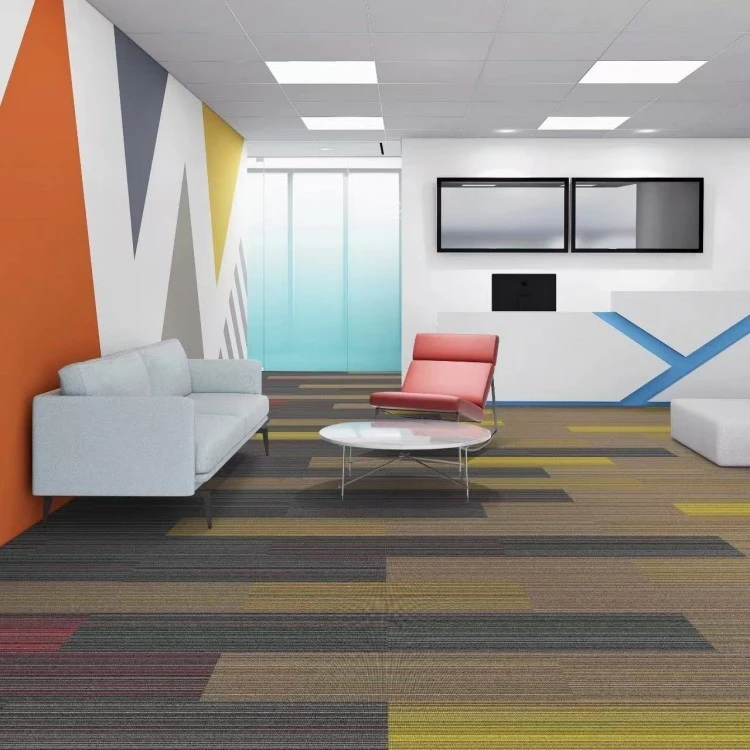
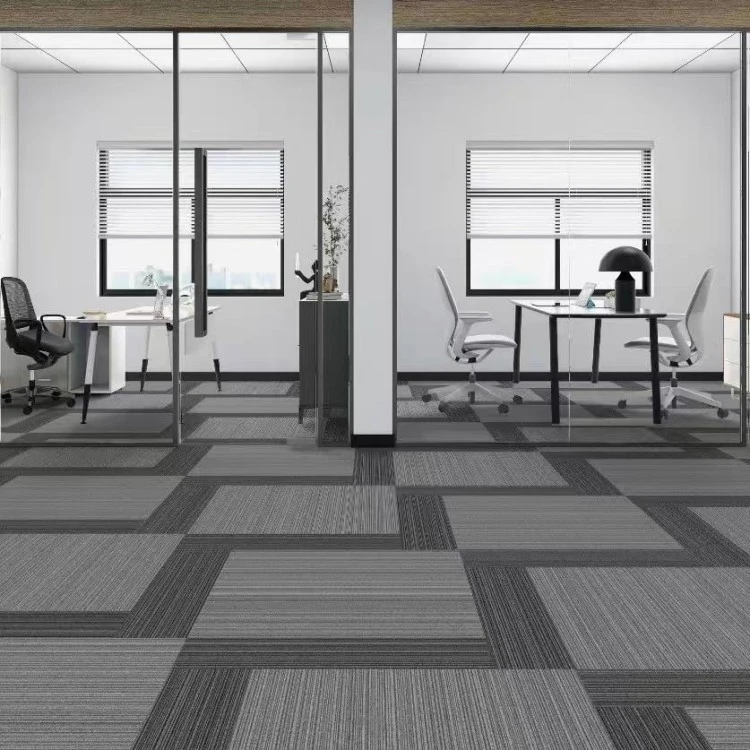
Our Striped Long Rugs
As a supplier of Striped Long Rugs, we offer a wide range of products with varying levels of absorbency to meet the needs of different customers. Our Striped Printed Rug is made from a blend of natural and synthetic fibers, providing a balance of absorbency and durability. The rug has a medium pile density, which allows it to soak up spills quickly while still being easy to clean.
Our Striped Long Rug is made from 100% wool, offering excellent absorbency and softness. The rug has a high pile density, which makes it ideal for areas where spills are common. The natural fibers of the wool also make the rug resistant to stains and odors, making it a practical choice for both residential and commercial applications.
Conclusion
The absorbency of a striped long rug is an important characteristic that can significantly impact its functionality and usability. By understanding the factors that influence absorbency and choosing a rug that is appropriate for the intended application, customers can ensure that they get the most out of their purchase. As a supplier of Striped Long Rugs, we are committed to providing high-quality products that meet the needs of our customers. If you are interested in learning more about our products or would like to discuss your specific requirements, please feel free to contact us for a procurement discussion.
References
- "Textile Fibers and Their Properties." Textile Institute, 2020.
- "Absorbency of Textiles." Journal of the Textile Institute, Vol. 101, No. 3, 2010.
- "The Science of Absorbency." American Chemical Society, 2015.