

As a supplier of Striped Printed Rugs, I am often asked about the texture of these unique floor coverings. The texture of a striped printed rug is a multi - faceted characteristic that combines both tactile and visual elements, and it plays a crucial role in the overall appeal and functionality of the rug.
Tactile Texture
The tactile texture of a striped printed rug refers to how it feels when you touch it. This is largely determined by the materials used in its construction.
Natural Fibers
Many striped printed rugs are made from natural fibers such as wool, cotton, and jute. Wool is a popular choice due to its softness and resilience. When you run your hand over a woolen striped printed rug, you'll notice a plush and velvety feel. Wool fibers have a natural crimp, which gives the rug a springy texture. This not only makes it comfortable to walk on but also helps the rug retain its shape over time. For example, a high - quality woolen Striped Printed Rug can feel warm underfoot, making it ideal for colder climates.
Cotton is another natural fiber used in striped printed rugs. Cotton rugs tend to have a smoother texture compared to wool. They are often softer and more delicate, making them a great option for areas where a gentle touch is desired, such as bedrooms or children's playrooms. The smoothness of cotton also allows for more detailed printing, which can enhance the visual appeal of the stripes.
Jute is a coarse natural fiber that imparts a more rustic and earthy texture to striped printed rugs. Jute rugs have a rough, fibrous feel, which can add a touch of natural charm to a space. They are durable and suitable for high - traffic areas, but the texture may not be as soft as wool or cotton. However, some people prefer the raw and organic feel of jute, especially in bohemian or coastal - style interiors.
Synthetic Fibers
Synthetic fibers like polyester, nylon, and polypropylene are also commonly used in striped printed rugs. Polyester rugs often have a smooth and shiny texture. They are easy to clean and maintain, and the synthetic nature of the fibers allows for a wide range of colors and patterns. The smooth texture of polyester makes it a good choice for modern and minimalist interiors, where a sleek look is desired.
Nylon is known for its strength and durability. Nylon striped printed rugs have a firm and slightly textured feel. They can withstand heavy foot traffic and are resistant to stains and abrasions. The texture of nylon gives the rug a more substantial and long - lasting quality, making it suitable for commercial spaces as well as busy households.
Polypropylene is a lightweight and water - resistant synthetic fiber. Rugs made from polypropylene have a smooth and somewhat plastic - like texture. They are often used in outdoor or high - moisture areas because of their ability to dry quickly. The smooth texture also makes them easy to clean, and they can be hosed down if needed.
Visual Texture
In addition to the tactile texture, the visual texture of a striped printed rug is equally important. The visual texture is created by the combination of the stripes, the printing technique, and the overall design of the rug.
Stripe Patterns
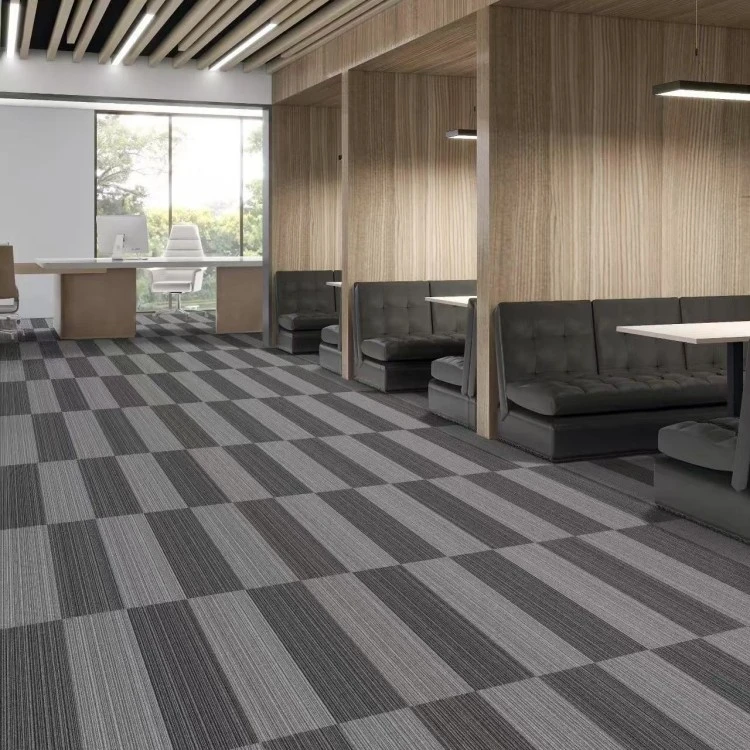
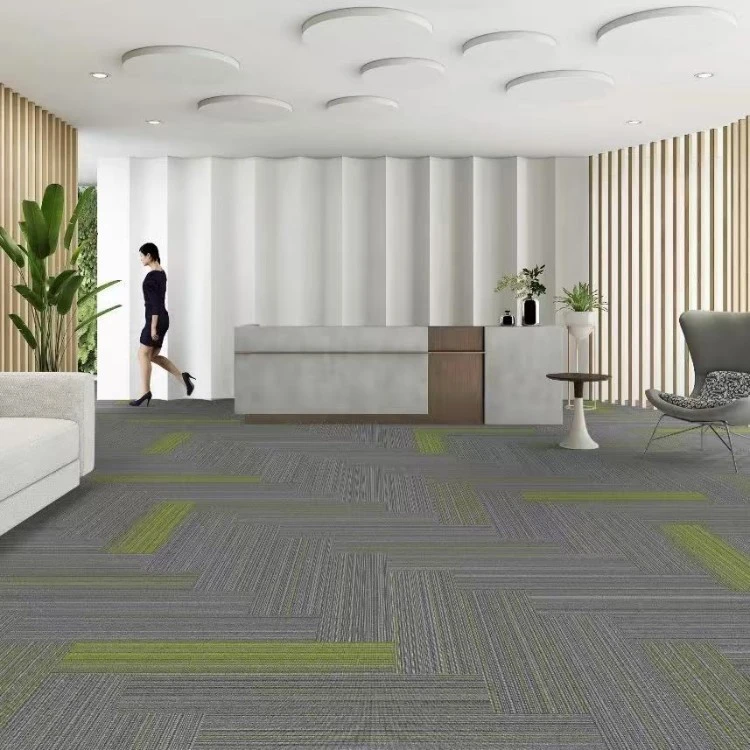
The pattern of the stripes can greatly affect the visual texture. Thick, bold stripes can create a more dramatic and graphic visual texture, giving the rug a strong presence in a room. On the other hand, thin, delicate stripes can add a sense of subtlety and refinement. For example, a rug with wide black and white stripes will have a very different visual texture compared to a rug with narrow pastel - colored stripes.
Printing Techniques
The way the stripes are printed on the rug also contributes to the visual texture. Screen printing is a common method that can produce sharp, defined stripes. This technique gives the rug a clean and precise look, enhancing the visual texture with its clear - cut lines. Digital printing, on the other hand, allows for more complex and detailed designs. It can create realistic textures, such as the appearance of woven fibers or aged materials, adding depth and richness to the visual texture of the striped printed rug.
Impact of Texture on Interior Design
The texture of a striped printed rug can have a significant impact on the overall interior design of a space.
Creating Ambiance
A rug with a soft and plush texture, such as a woolen striped rug, can create a warm and cozy ambiance in a room. It makes the space feel inviting and comfortable, perfect for a living room or a bedroom. In contrast, a rug with a rough and rustic texture, like a jute striped rug, can add a sense of casualness and relaxation, especially in a beach house or a mountain cabin.
Contrast and Complement
Texture can be used to create contrast or complement other elements in the room. For example, if the walls and furniture in a room have a smooth and sleek finish, a striped printed rug with a textured surface, such as a wool or jute rug, can add an interesting contrast. On the other hand, if the room has a lot of rough or natural materials, a smooth - textured synthetic rug can complement the existing elements and create a balanced look.
Functionality and Texture
The texture of a striped printed rug also affects its functionality.
Comfort
As mentioned earlier, the tactile texture of a rug determines how comfortable it is to walk on. A soft - textured rug, like a cotton or wool one, provides a more comfortable experience underfoot, especially if you are standing or walking on it for long periods. This is important in areas such as living rooms and bedrooms, where comfort is a priority.
Durability
The texture can also be an indicator of a rug's durability. Rugs with a firm and dense texture, such as nylon or high - quality wool rugs, are generally more durable and can withstand heavy use. They are less likely to show wear and tear over time, making them a good investment for high - traffic areas.
Cleaning and Maintenance
The texture of a rug can influence how easy it is to clean. Smooth - textured rugs, like those made from polyester or polypropylene, are usually easier to clean because dirt and debris are less likely to get trapped in the fibers. In contrast, rugs with a more textured surface, such as wool or jute, may require more careful cleaning to ensure that all the dirt is removed.
If you are interested in our Striped Printed Rug or Striped Long Rug products, we invite you to contact us for procurement and negotiation. Our team of experts is ready to assist you in finding the perfect rug for your space, considering both the texture and other factors such as design, size, and budget.
References
- "The Art of Rug Making" - A comprehensive guide on rug materials and textures.
- "Interior Design Handbook" - Covers the role of rugs in interior design, including the impact of texture.
- "Textiles and Their Applications" - Provides in - depth information on natural and synthetic fibers used in rug production.