

Hey there! As a supplier of warm color - patterned rugs, I'm super excited to chat with you about the materials commonly used to make these cozy and stylish floor coverings. Warm color - patterned rugs can really transform a room, adding a touch of comfort, style, and personality. So, let's dive right in and explore the different materials!
Wool
Wool is hands - down one of the most popular materials for warm color - patterned rugs, and for good reason. It's a natural fiber that comes from sheep, and it has some amazing properties. First off, wool is incredibly soft to the touch. When you step on a wool rug, it feels like you're walking on a cloud. This makes it perfect for areas where you'll be barefoot, like bedrooms or living rooms.
Another great thing about wool is its durability. It can withstand a lot of foot traffic without showing too much wear and tear. If you have a busy household with kids and pets, a wool rug can be a great investment. It also has natural insulation properties, which means it can help keep your room warm during the colder months.
Wool rugs come in a wide range of warm colors and patterns. You can find everything from traditional Persian - style patterns in rich reds, oranges, and yellows to more modern geometric designs. For example, our Grey and White Wool Rug combines a classic color palette with a simple yet elegant pattern that can fit into many different decor styles.
However, wool does require some special care. It can be prone to staining, so it's important to clean up spills right away. You also need to vacuum it regularly to keep it looking its best. And when it comes to deep cleaning, it's usually best to take it to a professional cleaner.
Cotton
Cotton is another common material for warm color - patterned rugs. It's a natural fiber that is known for being soft, breathable, and easy to clean. Cotton rugs are often more affordable than wool rugs, which makes them a great option for those on a budget.
One of the advantages of cotton is its versatility. It can be dyed easily, so you can find cotton rugs in a huge variety of warm colors. Whether you're looking for a bright, sunny yellow rug or a muted, earthy orange one, there's likely a cotton option out there for you.
Cotton rugs also tend to have a more casual look, which can be perfect for laid - back spaces like kitchens or playrooms. They're lightweight and easy to move around, so you can change up your decor whenever you feel like it. For instance, a cotton rug with a simple floral pattern in warm colors can add a touch of charm to a country - style kitchen.
But cotton does have its drawbacks. It's not as durable as wool, so it may not last as long in high - traffic areas. It can also wrinkle easily, which might require some ironing to keep it looking smooth.
Polypropylene
Polypropylene is a synthetic fiber that has become increasingly popular for rugs in recent years. It's made from petroleum, and it has some unique characteristics. One of the biggest advantages of polypropylene is its affordability. It's often much cheaper than natural fibers like wool and cotton, which makes it a great choice for large areas or for those who don't want to spend a lot of money on a rug.
Polypropylene is also very stain - resistant. It doesn't absorb liquids easily, so spills can usually be wiped up without leaving a permanent mark. This makes it ideal for areas where accidents are more likely to happen, like dining rooms or hallways.
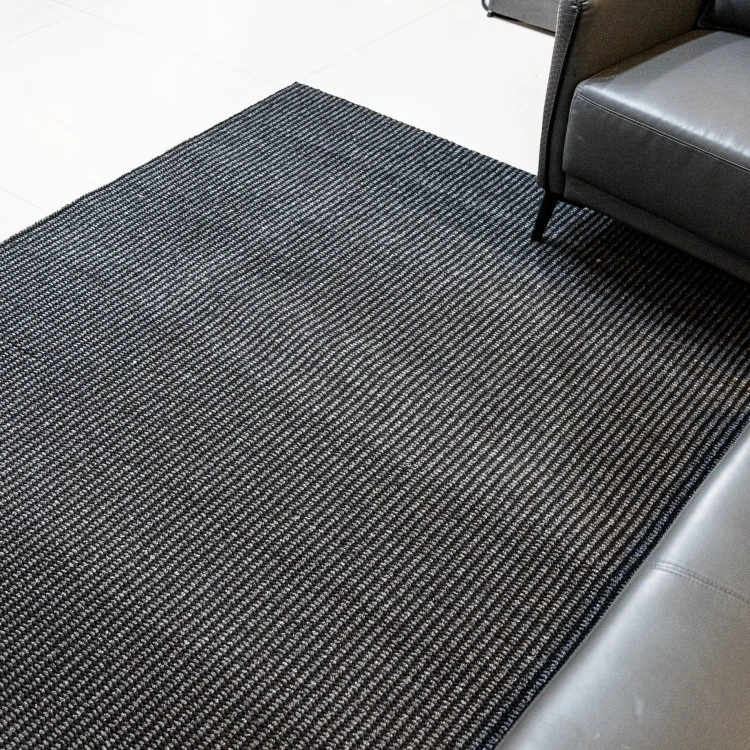
In terms of color and pattern, polypropylene rugs can look just as good as those made from natural fibers. You can find polypropylene rugs with all sorts of warm color patterns, from bold abstract designs to subtle stripes. Check out our Black Polypropylene Carpet, which combines a sleek black base with warm undertones and a modern pattern.
However, polypropylene doesn't have the same natural feel as wool or cotton. It can be a bit stiff and less soft underfoot. It also doesn't have the same insulation properties, so it may not be the best choice for very cold rooms.
Jute
Jute is a natural fiber that comes from the jute plant. It has a very earthy, rustic look, which can add a unique touch to a room. Jute rugs are usually light - colored, but they can be dyed to create warm color patterns.
One of the benefits of jute is its eco - friendliness. It's a renewable resource, and it's biodegradable. So, if you're someone who is conscious about the environment, a jute rug can be a great option.
Jute is also relatively inexpensive and lightweight. It's easy to roll up and store if you need to make some space in your room. However, jute is not very durable. It can fray easily, especially in high - traffic areas. And it's not very resistant to moisture, so it's not a good choice for damp areas like basements or bathrooms.
Silk
Silk is a luxurious and expensive material for rugs. It has a smooth, shiny texture that gives rugs a very elegant look. Silk rugs are often used in formal spaces like dining rooms or entryways to make a statement.
Silk can be dyed to create the most vibrant and rich warm colors. The colors on a silk rug are often very intense and can really pop in a room. Patterns on silk rugs are usually very detailed and intricate, often featuring traditional motifs.
But silk is a delicate material. It's not very durable and can be easily damaged by foot traffic or sharp objects. It also requires a lot of care. You need to be very gentle when cleaning a silk rug, and it's usually best to have it professionally cleaned.
Blends
Many rugs are made from blends of different materials. For example, a rug might be made from a combination of wool and cotton. Blending materials can combine the best properties of each. A wool - cotton blend rug might have the softness and durability of wool along with the affordability and easy - cleaning of cotton.
Blended rugs can also offer more options in terms of color and pattern. You can get a wider range of textures and looks by combining different fibers. This allows you to find a rug that suits your specific needs and style preferences.
So, there you have it! These are some of the most commonly used materials for warm color - patterned rugs. Each material has its own pros and cons, so it's important to consider your budget, the location where the rug will be placed, and your personal style when choosing a rug.
If you're interested in purchasing a warm color - patterned rug, I'd love to have a chat with you. We have a wide selection of rugs made from all these different materials, and we can help you find the perfect one for your home. Whether you're looking for a cozy wool rug for your living room or an affordable polypropylene rug for your hallway, we've got you covered. Just reach out, and let's start the conversation about finding the ideal rug for your space!
References
- "The Ultimate Guide to Rug Materials" by Rug Warehouse
- "Rug Buying 101: Materials and Care" by Home Decor Magazine