

Hey there! As a supplier of Non-woven Base Striped Rugs, I'm super stoked to share with you the cool materials that go into making these awesome rugs.
First off, let's talk about the non-woven base. Non-woven fabric is a game-changer in the rug industry. It's made by bonding or interlocking fibers together, rather than weaving them like traditional fabrics. There are a few common materials used to create the non-woven base.
One popular option is polyester. Polyester is great because it's durable as heck. It can handle a lot of wear and tear, which is perfect for rugs that are going to be in high-traffic areas. Whether it's people constantly walking on it or furniture being moved around, a polyester non-woven base can stand up to the pressure. It's also resistant to mildew and moisture, which means it won't easily get damaged if there's a little spill or if the area has high humidity. Plus, polyester is relatively inexpensive, which helps keep the cost of the rug down without sacrificing quality.
Another material you might find in the non-woven base is polypropylene. Polypropylene is lightweight and has excellent stain resistance. It doesn't absorb liquids easily, so if something spills on the rug, it's much easier to clean up compared to some other materials. It's also very flexible, which makes it easier to work with during the manufacturing process. This flexibility allows the rug to be rolled up and shipped without getting damaged, and it can also conform to different floor surfaces.
Now, let's move on to the striped part of the rug. The stripes can be made from a variety of materials as well. One common choice is acrylic. Acrylic fibers are known for their vibrant colors. They can be dyed to create really bold and eye-catching stripes. Acrylic also mimics the look and feel of wool to some extent, but it's much more affordable and easier to care for. It's resistant to fading, so those beautiful stripes will stay bright and vivid for a long time, even when exposed to sunlight.
Wool is another option for the stripes, although it might be a bit more expensive. Wool is a natural fiber that has great insulation properties. It can keep a room warm in the winter and cool in the summer. It also has a soft and luxurious feel underfoot. The stripes made from wool can add a touch of elegance to the rug. However, wool does require a bit more maintenance. It can be prone to staining and needs to be cleaned carefully.
Some rugs might also use a blend of materials for the stripes. For example, a blend of acrylic and wool can combine the best of both worlds. You get the vibrant colors and easy care of acrylic, along with the natural warmth and softness of wool.
When it comes to the manufacturing process of these Non-woven Base Striped Rugs, the non-woven base is usually created first. The fibers are laid out in a random pattern and then bonded together using heat, chemicals, or mechanical means. Once the base is ready, the stripes are added. This can be done through a printing process, where the colors are printed directly onto the base, or by attaching pre-made striped fabric to the base.
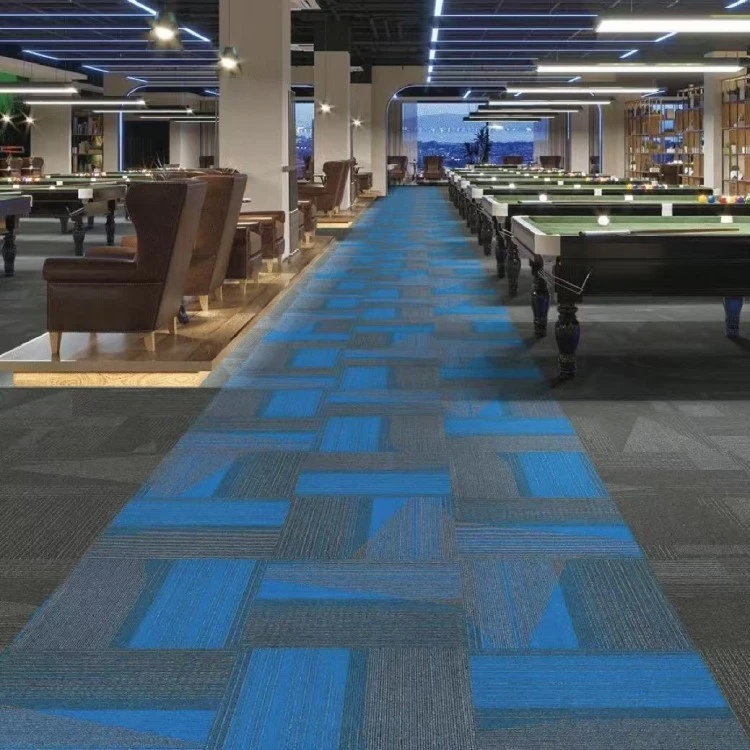
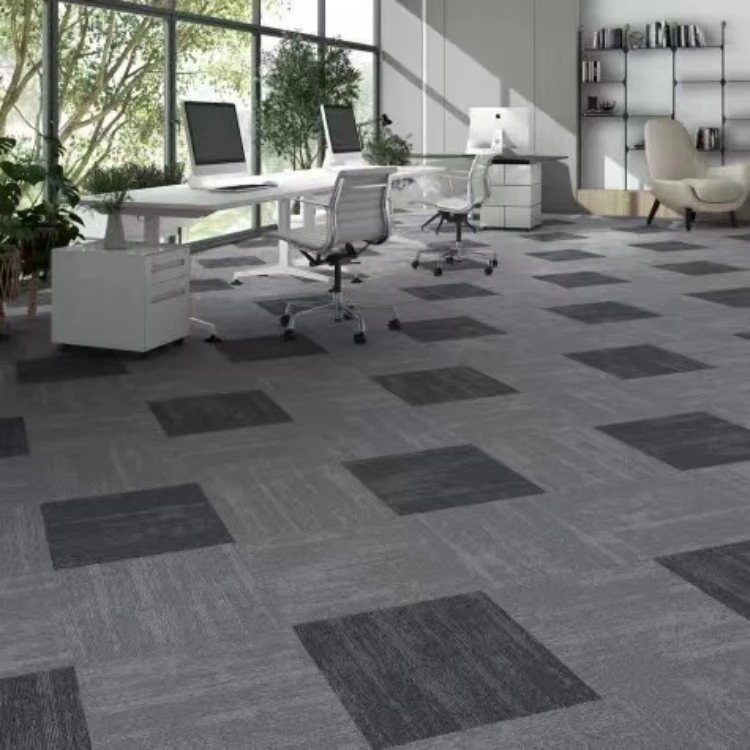
Now, if you're into different styles of non-woven rugs, you might also be interested in our Non-woven Base Printed Rug and Non-woven Base Solid Color Rug. These rugs also use high-quality materials and have their own unique charm.
If you're in the market for a Non-woven Base Striped Rug, or any of our other non-woven rugs, we'd love to have a chat with you. Whether you're a homeowner looking to spruce up your living space or a business owner in need of some stylish floor coverings, we can help you find the perfect rug for your needs. Just reach out to us, and we'll be happy to discuss your options and get you the best deal possible. You can check out our full range of Non-woven Base Striped Rugs on our website.
References:
- Textile Industry Reports on Non-woven Materials
- Research Papers on Rug Manufacturing Processes