

Hey there! As a supplier of cut-loop printed carpets, I often get asked about the materials used to make these beautiful floor coverings. So, I thought I'd take a few minutes to break it down for you.
Primary Fibers
The main materials in cut-loop printed carpets are the fibers. These fibers not only determine the look and feel of the carpet but also its durability and performance.
Nylon
Nylon is one of the most popular choices for cut-loop printed carpets. It's known for its strength and resilience. Nylon fibers can withstand heavy foot traffic without showing excessive wear and tear. They also have excellent stain resistance, which is a huge plus for areas like living rooms and hallways. For example, if you have kids or pets, a nylon cut-loop printed carpet can handle the spills and messes that come with daily life.
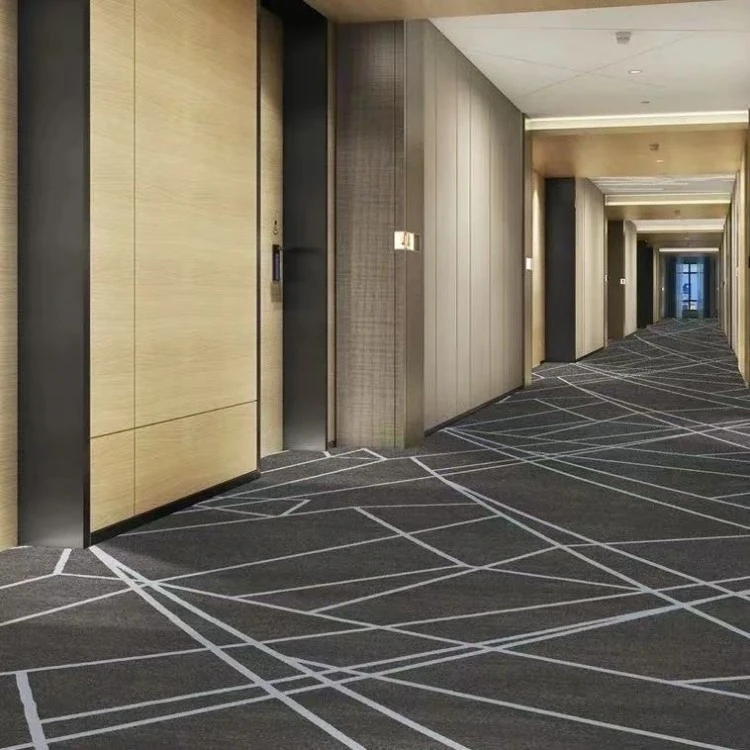
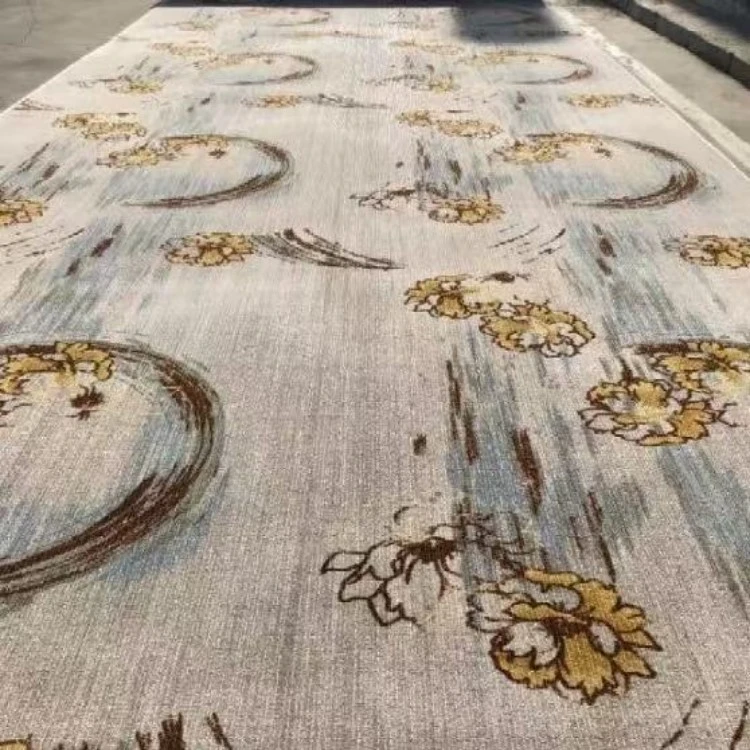
One of the great things about nylon is its ability to hold color well. This means that the printed patterns on the carpet will stay vibrant and sharp for a long time. Whether it's a bold geometric design or a delicate floral print, nylon fibers can make the pattern really pop. You can check out our Carpet with Golden Flower Print On Gray Base to see how nylon showcases a beautiful print.
Polyester
Polyester is another common fiber used in cut-loop printed carpets. It's often more affordable than nylon, making it a great option for budget-conscious customers. Polyester has a soft feel, which makes it comfortable to walk on. It also has good colorfastness, so the printed patterns won't fade easily.
One of the unique features of polyester is its ability to mimic the look of more expensive fibers like wool. You can get a luxurious look without breaking the bank. Our Dark Grey Geometric Patterned Carpet is a great example of how polyester can be used to create a stylish and modern carpet.
Wool
Wool is a natural fiber that has been used in carpets for centuries. It's known for its warmth, softness, and durability. Wool cut-loop printed carpets have a luxurious feel and a unique texture. They are also naturally resistant to stains and dirt, thanks to the lanolin in the wool fibers.
Wool has excellent insulation properties, which can help keep your home warm in the winter and cool in the summer. However, wool can be more expensive than synthetic fibers, and it may require more maintenance. But if you're looking for a high-quality, long-lasting carpet, wool is definitely worth considering. Take a look at our Carpet with Lotus Leaf Print On Brown Base to see the beauty of a wool-based cut-loop printed carpet.
Backing Materials
In addition to the fibers, the backing materials are also important in cut-loop printed carpets. The backing provides support for the fibers and helps hold the carpet together.
Jute
Jute is a natural fiber that is commonly used as a primary backing material. It's strong and durable, and it has a good grip on the floor. Jute backing also allows for good air circulation, which can help prevent mold and mildew from forming under the carpet. However, jute can absorb moisture, so it's important to keep the carpet dry.
Polypropylene
Polypropylene is a synthetic material that is often used as a secondary backing. It's lightweight, waterproof, and resistant to stains. Polypropylene backing can help protect the primary backing and the fibers from moisture and damage. It also provides a smooth surface for the carpet to lie on.
Dyes and Inks
The dyes and inks used to create the printed patterns on cut-loop printed carpets are also crucial. High-quality dyes and inks ensure that the patterns are vivid, long-lasting, and fade-resistant.
Reactive Dyes
Reactive dyes are commonly used in carpet printing. They bond chemically with the fibers, which results in a strong and colorfast print. Reactive dyes are available in a wide range of colors, so you can get the exact look you want for your carpet.
Pigment Inks
Pigment inks are another option for carpet printing. They are suspended in a liquid carrier and are applied to the surface of the fibers. Pigment inks are known for their durability and resistance to fading. They can also create a more textured look on the carpet.
Other Materials and Additives
There are also some other materials and additives that may be used in cut-loop printed carpets to enhance their performance.
Antistatic Agents
Antistatic agents are added to the carpet to reduce static electricity. This can be especially important in dry climates or in areas with a lot of foot traffic. Static electricity can cause discomfort and can also attract dust and dirt to the carpet.
Flame Retardants
Flame retardants are used to make the carpet more fire-resistant. This is an important safety feature, especially in commercial buildings or in areas where there is a higher risk of fire.
Conclusion
So, there you have it! The materials used to make cut-loop printed carpets include a variety of fibers, backing materials, dyes, and additives. Each material plays a specific role in creating a beautiful, durable, and functional carpet.
If you're interested in purchasing a cut-loop printed carpet for your home or business, I'd love to chat with you. We have a wide range of designs and colors to choose from, and we can help you find the perfect carpet to suit your needs and style. Whether you're looking for a bold statement piece or a subtle, elegant design, we've got you covered.
Feel free to reach out and start a conversation about your carpet needs. We're here to help you make the best choice for your space.
References
- Carpet and Rug Institute. (n.d.). Carpet Fibers. Retrieved from various industry publications.
- Textile Research Journal. Studies on carpet materials and performance.