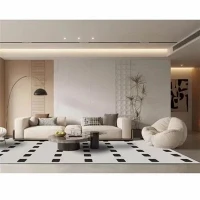
Choosing the right carpet size is more than just matching dimensions-it' s about enhancing space harmony, comfort, and functionality. Many homeowners overlook this crucial step, ending up with carpets that are too small (making the room feel disjointed) or too large (wasting space and budget). To help you avoid mistakes, we' ve compiled essential considerations for carpet sizing, tailored to the most common living spaces, plus expert tips for special scenarios and style coordination.

Start With Space Measurement: The Foundation Of Right Sizing
Before browsing carpet options, take accurate measurements of your room-this is non-negotiable!
Measure the entire room first: Note the length and width of the space (e.g., 4m × 5m living room). Don't forget to account for fixed structures like fireplaces, built-in cabinets, or doorways (carpets shouldn' t block door movement). For rooms with sloped ceilings or alcoves, measure the "usable area" (where furniture will be placed) rather than the total floor space.
Define the "activity zone" : For most rooms, the carpet only needs to cover the core activity area (not the entire floor). For example, in the living room, focus on the area around the sofa and coffee table; in the bedroom, prioritize the space beside and at the foot of the bed. For home offices, cover the area under the desk and chair to reduce noise and add comfort.
Leave a border of bare floor: A 30-50cm gap between the carpet edge and the wall creates a sense of openness, making small rooms look larger. For rooms with dark flooring, a wider border (50-70cm) can brighten the space; for light floors, a narrower border (20-30cm) adds warmth. Avoid wall-to-wall carpets unless you're aiming for a luxury, seamless look (e.g., hotel bedrooms, formal living rooms) or dealing with cold concrete floors.