

As a supplier of organic loop pile carpets, I've witnessed firsthand the growing interest in these eco - friendly flooring options. One of the most frequently asked questions by customers is about how the insulation property of an organic loop pile carpet works. In this blog, I'll delve into the science behind it.
The Basics of Insulation
Insulation, in the context of flooring, refers to the ability of a material to resist the transfer of heat. Heat transfer occurs in three main ways: conduction, convection, and radiation. A good insulating material should impede all these types of heat transfer as effectively as possible.
Organic Loop Pile Carpet Structure and Insulation
The structure of an organic loop pile carpet is a key factor in its insulation capabilities. The loops in the carpet create a layer of trapped air. Air is a poor conductor of heat, which means it doesn't allow heat to pass through easily. When you step on an organic loop pile carpet, you're essentially walking on a layer of tiny air pockets.
The density of the loops also plays a role. A higher - density loop pile carpet has more loops per square inch, which means more trapped air. This increased amount of trapped air enhances the carpet's ability to resist heat transfer. For example, a carpet with a tight loop structure can trap more air compared to a carpet with a loose loop pattern, providing better insulation.
Resistance to Conduction
Conduction is the transfer of heat through direct contact between materials. In a building, heat can conduct through the floor from the cold ground below or from the warm interior to the cooler exterior. Organic loop pile carpets act as a barrier to this conduction.
The organic fibers used in these carpets, such as natural wool or cotton, are poor conductors of heat. Wool, for instance, has a complex molecular structure that restricts the movement of heat - carrying particles. When the carpet is laid on the floor, it interrupts the direct path of heat conduction from the floor to your feet or vice versa.
Inhibition of Convection
Convection involves the transfer of heat through the movement of fluids (liquids or gases). In a room, air can circulate and carry heat away. An organic loop pile carpet helps to disrupt this convection process.
The trapped air within the loops of the carpet is relatively stationary. It doesn't allow for the easy movement of air currents. This lack of air movement reduces the convective heat transfer. For example, in a drafty room, the carpet can prevent the cold air from rising up through the floor and into the room, or the warm air from escaping through the floor.
Reduction of Radiation
Radiation is the transfer of heat in the form of electromagnetic waves. Organic loop pile carpets can also have an impact on radiation heat transfer. The color and surface properties of the carpet can affect its ability to absorb or reflect heat radiation.
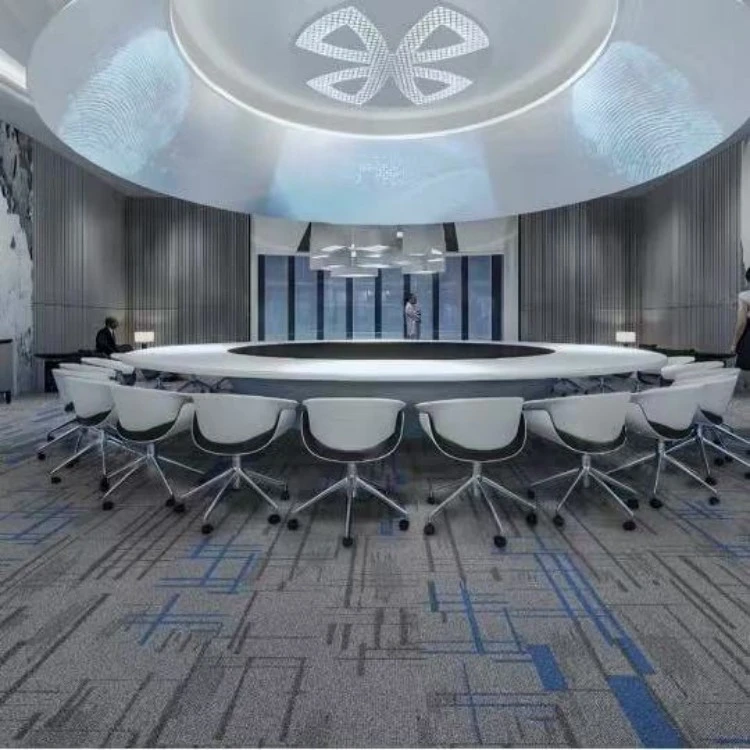
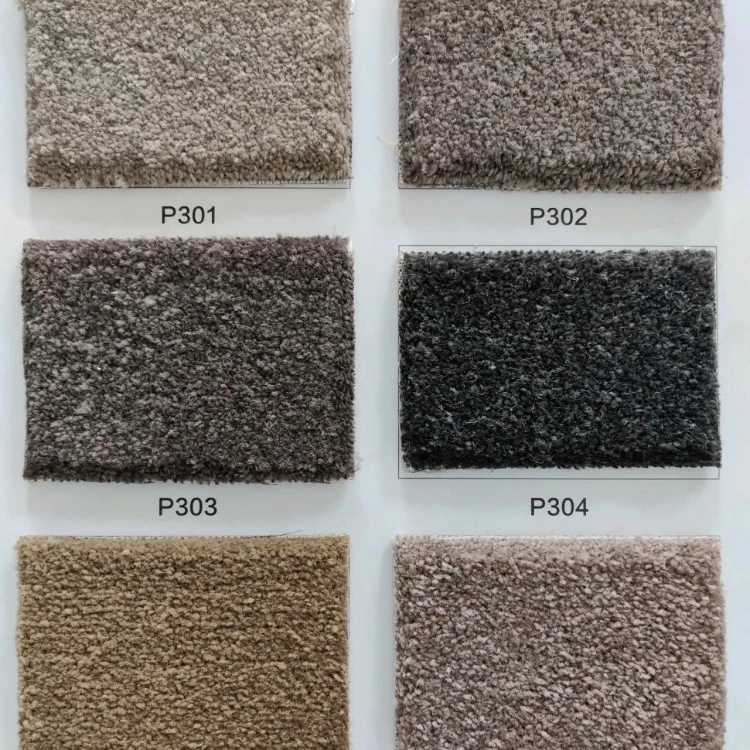
Lighter - colored carpets tend to reflect more heat radiation, while darker - colored carpets absorb more. However, regardless of color, the carpet's surface texture and the presence of the loop structure can scatter the incoming radiation, reducing the amount of heat that is transferred through this method.
Benefits of Insulation in Organic Loop Pile Carpets
The insulation property of organic loop pile carpets offers several benefits. Firstly, it helps to keep a room warm in the winter. By reducing heat loss through the floor, the heating system doesn't have to work as hard, which can lead to energy savings.
Secondly, in the summer, it can keep the room cooler. The carpet prevents the heat from the outside from seeping in through the floor. This can also contribute to energy savings as the air - conditioning system can operate more efficiently.
Our Organic Loop Pile Carpet Products
We offer a variety of organic loop pile carpets to meet different customer needs. Our Organic Striped Wall - to - Wall Carpet combines style with excellent insulation properties. The striped pattern adds a decorative touch to any room, while the loop pile structure ensures good heat resistance.
Our Organic Solid - color Wall - to - Wall Carpet is a classic choice. The solid color provides a clean and elegant look, and the high - quality organic fibers used in its construction offer reliable insulation.
For those who prefer a more unique design, our Organic Printed Wall - to - Wall Carpet is a great option. The printed patterns add a personal touch to the room, and the insulation performance remains top - notch.
Conclusion
The insulation property of an organic loop pile carpet is a result of its unique structure, the nature of the organic fibers used, and its ability to resist conduction, convection, and radiation. These carpets not only provide a comfortable and stylish flooring option but also contribute to energy efficiency in buildings.
If you're interested in our organic loop pile carpets and want to discuss your specific requirements, we're here to help. Whether you're a homeowner looking to upgrade your flooring or a contractor working on a large - scale project, we can provide you with the right carpet solution. Reach out to us to start a procurement discussion and find the perfect organic loop pile carpet for your needs.
References
- "Handbook of Textile Fibre Structure" by David J. Hearle
- "Building Physics: Heat, Air and Moisture" by J. Kurnitski