

Hey there! As a supplier of organic loop pile carpets, I'm super excited to share with you the different installation methods that are suitable for these amazing carpets. Organic loop pile carpets are not only eco - friendly but also add a touch of elegance and comfort to any space. So, let's dive right in!
1. Glue - Down Installation
Glue - down installation is one of the most common methods for organic loop pile carpets. It involves applying a special carpet adhesive to the subfloor and then laying the carpet on top of it. This method provides a very secure and long - lasting installation.
The first step in glue - down installation is to prepare the subfloor. It should be clean, dry, and level. Any debris, dust, or old adhesive should be removed. You can use a floor scraper and a vacuum cleaner to get the subfloor in perfect condition.
Once the subfloor is ready, you'll need to measure and cut the carpet to fit the room. Make sure to leave a little extra around the edges for trimming. Then, apply the carpet adhesive to the subfloor using a notched trowel. The notches on the trowel help to spread the adhesive evenly.
After applying the adhesive, carefully lay the carpet on top of it. Start from one corner and work your way across the room, smoothing out any wrinkles or bubbles as you go. You can use a carpet roller to press the carpet firmly into the adhesive.
Finally, trim the excess carpet around the edges using a sharp utility knife. This method is great for high - traffic areas because the carpet won't shift or move. You can check out our Organic Striped Wall - to - Wall Carpet for a beautiful option that can be installed using this method.
2. Stretch - in Installation
Stretch - in installation is another popular choice for organic loop pile carpets. This method uses a power stretcher and knee kicker to stretch the carpet tightly across the subfloor and secure it with tack strips.
First, like with glue - down installation, you need to prepare the subfloor. Clean it thoroughly and make sure it's level. Then, install tack strips around the perimeter of the room. The tack strips should be placed about 1/4 inch away from the baseboards.
Next, measure and cut the carpet to fit the room. Leave a few inches of extra carpet around the edges. Use a knee kicker to attach the carpet to the tack strips along one wall. A knee kicker is a tool that you use to stretch the carpet and push it onto the tack strips.
After attaching the carpet to one wall, use a power stretcher to stretch the carpet across the room. The power stretcher applies a lot of force to stretch the carpet tightly. Once the carpet is stretched, attach it to the tack strips on the opposite wall.
Finally, trim the excess carpet around the edges. Stretch - in installation gives a smooth and professional look to the carpet. It's also a good option if you want to be able to remove the carpet easily in the future. Our Organic Printed Wall - to - Wall Carpe can look amazing with this installation method.
3. Peel - and - Stick Installation
Peel - and - stick installation is a relatively new and easy way to install organic loop pile carpets. This method uses a carpet that has a self - adhesive backing.
The preparation of the subfloor is still important. It should be clean and dry. Measure and cut the carpet to fit the room. Then, simply peel off the backing paper from the carpet and stick it to the subfloor.
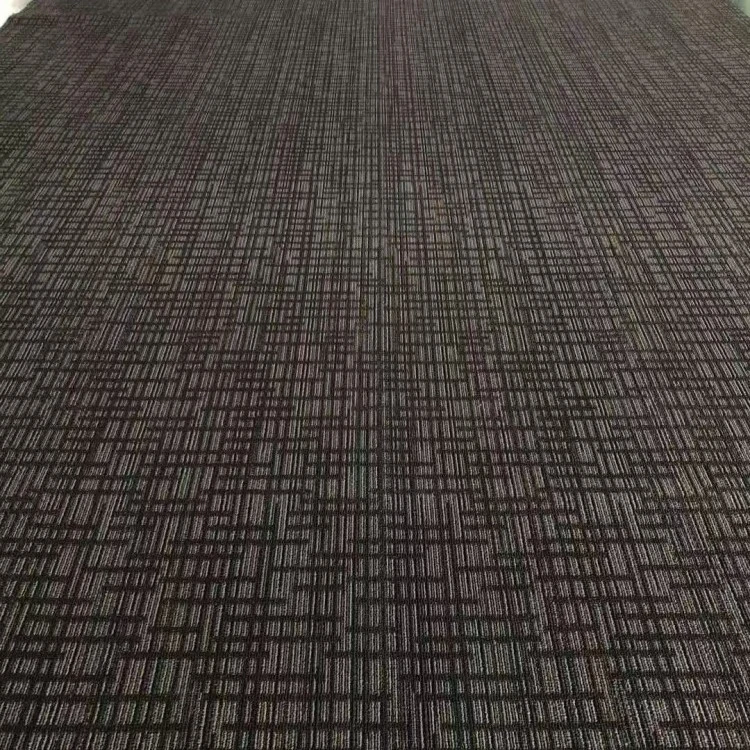
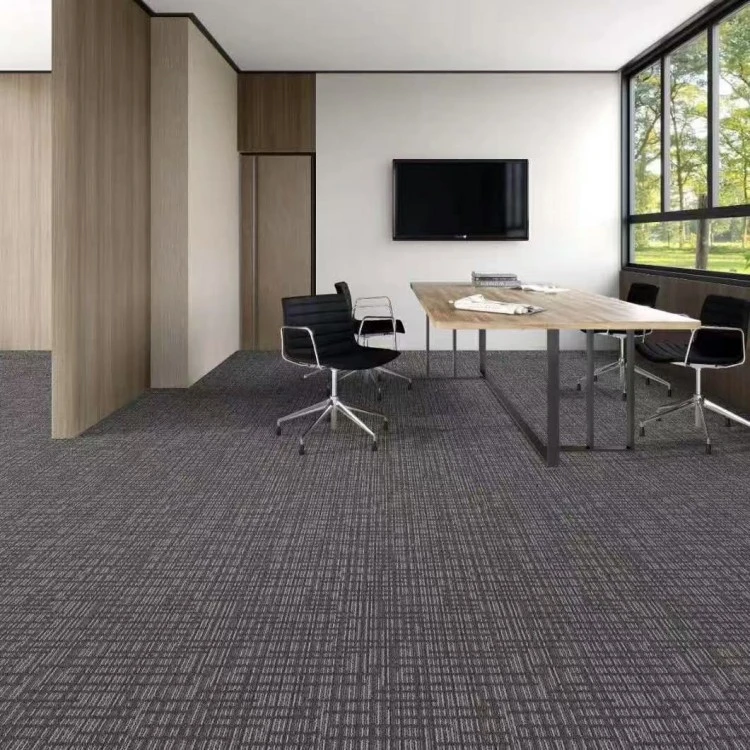
Start from one corner and work your way across the room, pressing the carpet firmly onto the subfloor. Make sure to smooth out any wrinkles or air bubbles as you go. This method is great for DIY projects because it doesn't require any special tools or skills.
However, it might not be as durable as glue - down or stretch - in installation, especially in high - traffic areas. But for low - traffic areas like bedrooms or small offices, it's a great option. Check out our Organic Solid - color Wall - to - Wall Carpet for a simple yet stylish choice that can be installed using this method.
4. Floating Installation
Floating installation is a unique method where the carpet is not attached to the subfloor at all. Instead, it "floats" on top of a foam underlayment.
First, lay the foam underlayment on the clean and level subfloor. The underlayment provides cushioning and helps to reduce noise. Then, measure and cut the carpet to fit the room.
Place the carpet on top of the underlayment. You can use carpet tape to join the seams of multiple carpet pieces if needed. This method is easy to install and can be a good option if you want to change the carpet frequently.
However, it might not be suitable for very large rooms or areas with a lot of foot traffic because the carpet could shift over time.
Factors to Consider When Choosing an Installation Method
- Traffic: If the area has high traffic, like hallways or living rooms, glue - down or stretch - in installation might be the best choice. They provide a more secure and stable installation.
- DIY vs. Professional: If you're a DIY enthusiast, peel - and - stick or floating installation could be great options because they're relatively easy. But for more complex installations, it's better to hire a professional.
- Budget: Glue - down installation might be more expensive because of the cost of the adhesive and professional labor. Peel - and - stick installation is usually more budget - friendly.
Conclusion
There are several installation methods suitable for organic loop pile carpets, each with its own advantages. Whether you choose glue - down, stretch - in, peel - and - stick, or floating installation, make sure to consider the traffic in the area, your DIY skills, and your budget.
If you're interested in purchasing our organic loop pile carpets or have any questions about installation, don't hesitate to reach out. We're here to help you make the best choice for your space. Let's start a conversation about your carpet needs and find the perfect solution together.
References
- Carpet Installation Guide, Carpet Association of America
- Organic Carpet Installation Tips, Green Flooring Magazine