

Hey there! As a supplier of PVC square rugs, I've often been asked about the differences between PVC and other materials when it comes to square rugs. In this blog, I'll break down the key distinctions to help you make an informed decision for your space.
Durability
Let's start with durability. PVC rugs are like the tough guys of the rug world. They're made from polyvinyl chloride, a synthetic plastic polymer that can withstand a lot of wear and tear. Whether it's high - traffic areas in your home like the hallway or a commercial space such as a store entrance, PVC rugs can take it.
On the other hand, natural fiber rugs like wool or cotton aren't as durable. Wool rugs are soft and luxurious, but they can be easily damaged by pets' claws or heavy furniture. Cotton rugs, while affordable and breathable, tend to fray and fade over time, especially if they're exposed to sunlight or heavy use.
Synthetic fiber rugs other than PVC, like polyester or nylon, are also fairly durable. But PVC has an edge in terms of water resistance. If you spill something on a PVC rug, you can just wipe it clean. Most polyester and nylon rugs can handle spills, but they may absorb some of the liquid, which can lead to stains if not cleaned promptly.
Maintenance
Maintenance is a big deal when choosing a rug. PVC rugs are a breeze to clean. You don't need any special cleaning agents. A simple vacuuming once in a while to get rid of dust and dirt, and an occasional wipe - down with a damp cloth for spills is all it takes.
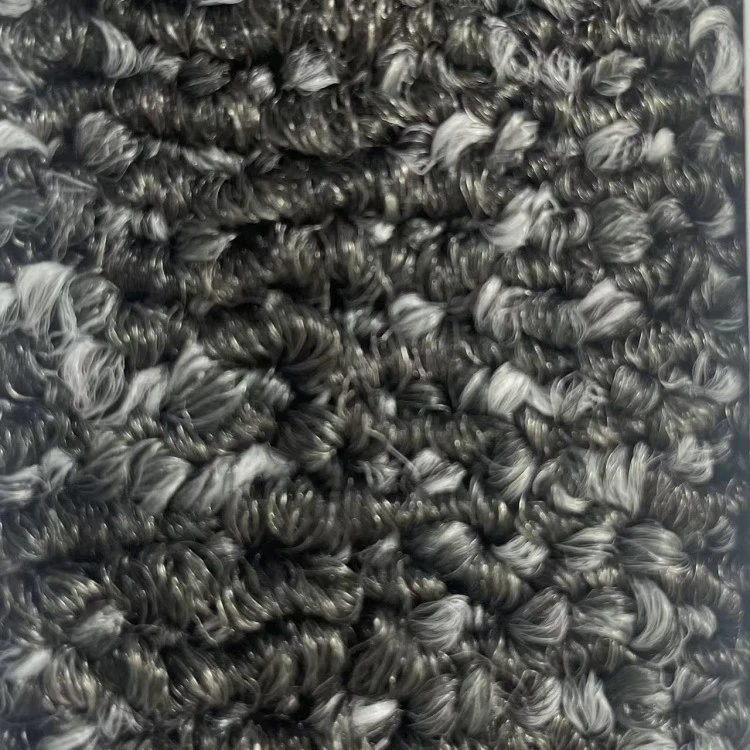
Wool rugs, however, require more TLC. They need to be vacuumed regularly, but you have to be careful not to use a high - powered vacuum that could damage the fibers. Also, wool rugs can attract moths, so you might need to use moth - repellent products.
Cotton rugs can be machine - washed in some cases, but they can shrink or lose their shape. And if they're dyed, the colors might bleed.
Synthetic fiber rugs like polyester and nylon usually require regular vacuuming too. But they can accumulate static electricity, which attracts more dust. You may need to use anti - static sprays to keep them clean.
Cost
Cost is always a factor in any purchase. PVC rugs are generally more affordable than natural fiber rugs. Wool rugs, for example, can be quite expensive because wool is a premium material. The cost of wool production, from shearing the sheep to processing the fiber, is high, and that gets reflected in the price of the rug.
Cotton rugs are usually more affordable than wool, but the price can vary depending on the quality and the weave. High - end cotton rugs with intricate designs can be costly.
Synthetic fiber rugs like polyester and nylon are often priced similarly to PVC rugs. But sometimes, depending on the brand and the features, PVC rugs can still offer better value for money, especially considering their durability and low maintenance.
Aesthetics
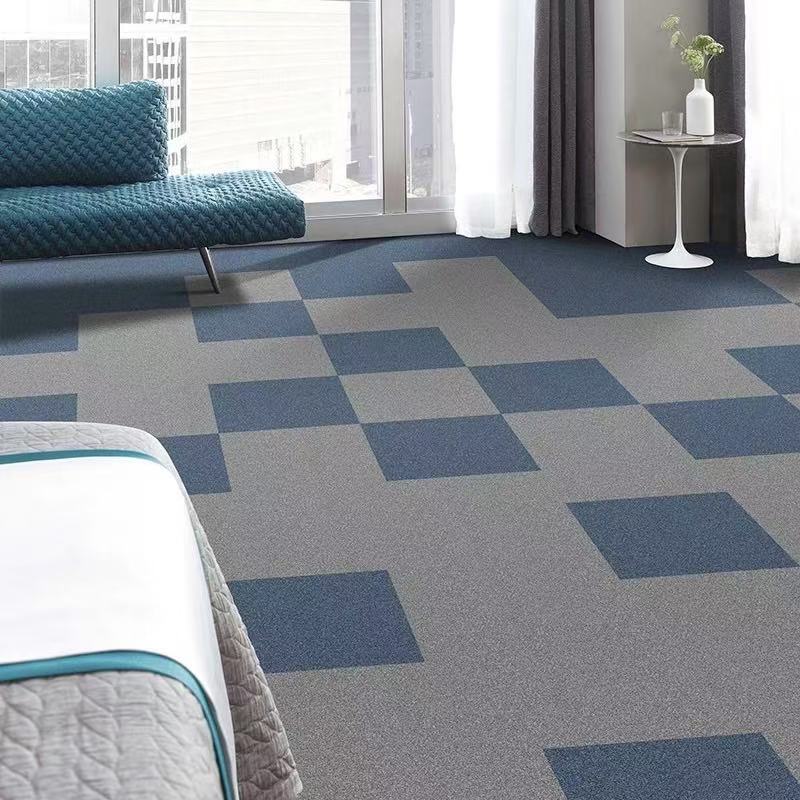
When it comes to looks, PVC rugs have come a long way. You can find Plain PVC Rug for a clean, minimalist look. These are great for modern and contemporary interiors.
If you want something with a bit more style, PVC Striped Rug can add a touch of pattern to your space. The stripes can be in different widths and colors, allowing you to choose a design that suits your decor.
For a more eye - catching option, PVC Printed Rug can feature all sorts of designs, from geometric patterns to floral motifs.
Wool rugs are known for their rich texture and natural warmth. They can add a touch of luxury to any room. Cotton rugs come in a wide range of colors and patterns too, but they have a more rustic or casual look.
Synthetic fiber rugs like polyester and nylon can mimic the look of natural fibers or have their own unique designs. But PVC rugs offer more versatility in terms of the printing and patterning techniques that can be used.
Environmental Impact
Environmental concerns are important these days. PVC is a synthetic material, and its production does have some environmental implications. However, many modern PVC rugs are made with eco - friendly manufacturing processes. Some are even recyclable.
Wool is a natural and renewable resource. Sheep produce wool continuously, and it's biodegradable. But the wool industry has its own environmental issues, such as the large amount of water and land required for sheep farming.
Cotton is also a natural fiber, but conventional cotton farming uses a lot of pesticides and water. Organic cotton is a more environmentally - friendly option, but it's more expensive.
Synthetic fiber rugs like polyester and nylon are made from petrochemicals, which are non - renewable resources. Their production also consumes a lot of energy.
Comfort
Comfort is subjective, but PVC rugs may not be as soft underfoot as wool or cotton rugs. Wool rugs are known for their softness and warmth. They can make your feet feel cozy, especially in cold weather.
Cotton rugs are also soft, but they're not as thick as wool rugs, so they may not provide as much insulation.
Synthetic fiber rugs like polyester and nylon can be soft, but they don't have the same natural feel as wool or cotton. PVC rugs are usually more firm, which can be a plus in some situations, like in areas where you need a stable surface.
If you're in the market for a square rug and are considering PVC, I'd love to talk to you. Whether you're looking for a plain, striped, or printed PVC rug, I can offer you a range of options to fit your needs and budget. Don't hesitate to reach out to discuss your requirements and start the procurement process.
References
- "Rug Materials: A Comprehensive Guide" - Home Decor Magazine
- "The Economics of Rug Production" - Textile Industry Journal
- "Environmental Impact of Different Rug Materials" - Sustainable Living Reports