

When it comes to enhancing the aesthetics and comfort of your living or working space, an organic loop pile carpet can be an excellent choice. As a trusted supplier of organic loop pile carpets, I often receive inquiries about the cost associated with these high - quality flooring options. In this blog post, I'll delve into the factors that influence the price of organic loop pile carpets and provide you with a comprehensive understanding of what to expect.
Factors Affecting the Cost of Organic Loop Pile Carpets
1. Material Quality
The quality of the organic materials used in the carpet is a primary determinant of its cost. Organic loop pile carpets are typically made from natural fibers such as wool, cotton, or jute. High - grade wool, for example, is not only soft and durable but also has excellent insulation properties. Carpets made from premium organic wool will generally be more expensive than those made from lower - quality or synthetic fibers.
Cotton is another popular choice for organic loop pile carpets. It is breathable and hypoallergenic, making it suitable for people with sensitive skin. However, the cost of cotton can vary depending on its origin and the manufacturing process. Organic cotton that is sustainably sourced and produced using eco - friendly methods may command a higher price.
Jute is a natural fiber known for its strength and durability. It has a rustic look that can add a unique charm to any space. The price of jute carpets can be influenced by factors such as the thickness of the fibers and the quality of the weaving.
2. Carpet Size
The size of the carpet is an obvious factor in determining its cost. Larger carpets require more materials and labor to produce, so they will generally be more expensive than smaller ones. Whether you're looking for a small area rug or a wall - to - wall carpet, the dimensions will have a direct impact on the price. For example, a large - scale Organic Solid - color Wall - to - Wall Carpet that covers an entire living room will cost significantly more than a small loop pile rug for a bathroom.
3. Design and Pattern
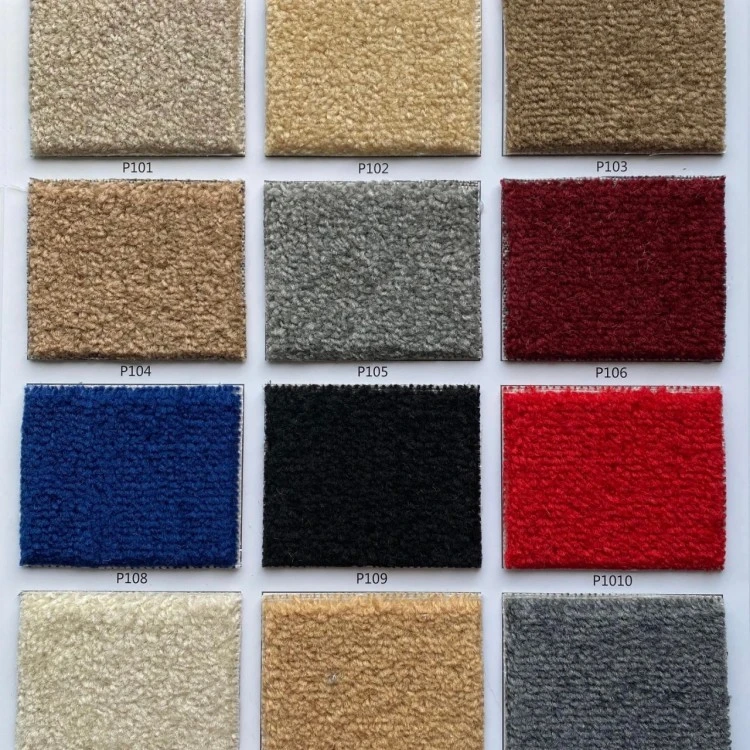
The design and pattern of the carpet can also affect its price. Solid - color carpets are usually more affordable than those with intricate patterns or prints. This is because creating a patterned carpet requires additional steps in the manufacturing process, such as printing or weaving complex designs.
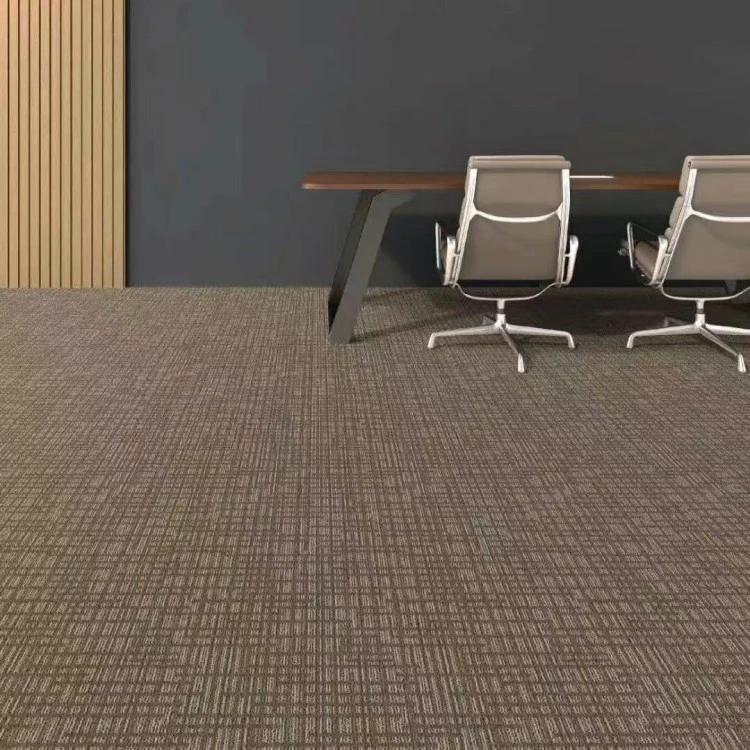
Organic Printed Wall - to - Wall Carpets often involve the use of special dyes and printing techniques, which can increase the cost. Similarly, Organic Striped Wall - to - Wall Carpet with precise and evenly spaced stripes may require more skill and time to produce, resulting in a higher price tag.
4. Manufacturing Process
The manufacturing process of the organic loop pile carpet plays a crucial role in its cost. Hand - woven carpets are generally more expensive than machine - made ones. Hand - weaving is a labor - intensive process that requires skilled artisans. Each carpet is unique, and the attention to detail is often higher. Machine - made carpets, on the other hand, can be produced more quickly and in larger quantities, which can result in a lower cost. However, advancements in technology have allowed machine - made carpets to achieve a high level of quality and appearance.
5. Brand and Reputation
Well - known brands with a reputation for quality and sustainability may charge a premium for their organic loop pile carpets. These brands often invest in research and development, use the best materials, and adhere to strict quality control standards. While you may pay more for a branded carpet, you can expect a higher level of craftsmanship and durability.
Price Range of Organic Loop Pile Carpets
The cost of organic loop pile carpets can vary widely depending on the factors mentioned above. On the lower end of the spectrum, you can find small, basic loop pile rugs made from lower - cost organic materials for as little as $50 - $100. These rugs are usually small in size and may have a simple design.
For medium - sized area rugs with better quality materials and more intricate designs, the price can range from $200 - $500. These rugs are suitable for bedrooms, dining rooms, or small living areas.
Wall - to - wall organic loop pile carpets are more expensive. A basic solid - color wall - to - wall carpet made from average - quality organic materials may cost around $5 - $10 per square foot. However, if you opt for a high - end carpet made from premium wool or with a complex pattern, the price can go up to $20 or more per square foot.
Cost - Saving Tips
If you're on a budget but still want to purchase an organic loop pile carpet, here are some cost - saving tips:
1. Shop Off - Season
Many carpet retailers offer discounts during off - season sales. For example, you may be able to find great deals on organic loop pile carpets in the winter or early spring when demand is lower. Keep an eye on sales and promotions to get the best price.
2. Consider Smaller Sizes
If you don't need a large carpet, consider purchasing a smaller area rug. You can still achieve the desired look and feel in your space while saving money. You can also combine multiple small rugs to create a unique pattern or cover a larger area.
3. Choose Simple Designs
As mentioned earlier, solid - color carpets are generally more affordable than patterned ones. Opting for a simple design can significantly reduce the cost of your carpet.
Contact Us for Purchase and Negotiation
If you're interested in purchasing an organic loop pile carpet, I invite you to reach out to us. We have a wide range of organic loop pile carpets in different sizes, designs, and materials to meet your specific needs. Our team of experts can provide you with detailed information about our products and help you find the perfect carpet for your space. We also offer competitive prices and are open to negotiation based on your requirements. Whether you're a homeowner looking to upgrade your flooring or a business owner in need of commercial carpet solutions, we're here to assist you.
References
- Textile Institute. (2023). Handbook of Carpet Manufacture. Woodhead Publishing.
- Organic Trade Association. (2022). Organic Fiber Market Report.
- Carpet and Rug Institute. (2023). Carpet Buying Guide.