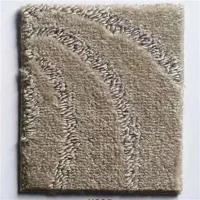
Home carpets are not only decorations that enhance the beauty of the home, but also practical items that increase living comfort. With the continuous development of the home decoration industry, the materials and synthesis methods of carpets are becoming increasingly rich. Today, let's discuss the common synthesis methods of home carpets.
Traditional wool carpets are popular for their natural environmental protection and soft touch, but their production process is relatively cumbersome. The development of modern technology has given us more choices. Nylon carpets have become the first choice for many families because of their wear resistance and easy cleaning. The synthesis of nylon carpets is mainly completed through the spinning, weaving and finishing of nylon fibers. This synthesis method not only ensures the durability of the carpet, but also facilitates daily maintenance.
Polyester fiber carpets are loved by young consumers for their bright colors and rich patterns. The synthesis of polyester fiber carpets uses melt spinning technology to melt polyester particles at high temperature and then pull them into filaments, which are then woven into carpets through looms. The carpets produced by this method are not only stable in color, but also affordable.
In addition to traditional fiber materials, new materials such as bamboo fiber, corn fiber and other environmentally friendly synthetic materials are gradually being used in carpet manufacturing. These materials not only have good moisture absorption and breathability, but more importantly, their environmental protection characteristics are in line with the current concept of green living.
In the synthesis process, dyeing and finishing processes are also critical. The use of advanced water-based dyes and environmentally friendly additives makes the carpet color more vivid and lasting, while reducing the impact on the environment. Finishing processes such as anti-fouling treatment and antistatic treatment further enhance the practicality and comfort of the carpet.
With the continuous advancement of technology, the synthesis methods of home carpets will become more diversified and environmentally friendly, providing consumers with more choices and a higher quality of life experience.