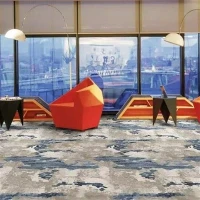
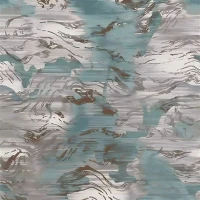
High-end wool carpets, a home decoration with a long history and exquisite craftsmanship, have undergone thousands of years of evolution and still shine with unique charm. Its development history can be described as a history of cultural and artistic integration across time and space.
Thousands of years ago, hand-woven carpets began to be used in the Middle East and the Near East. At that time, wool carpets not only had the function of keeping warm, but also became a symbol of the aristocracy with their delicate feel and unique patterns. With the prosperity of the Silk Road, wool carpets were gradually introduced into China, integrated with oriental culture, and formed distinctive carpet styles.
Entering the Middle Ages, with the rise of the European Renaissance, wool carpets ushered in a new stage of development. European craftsmen began to learn from the weaving techniques of oriental carpets and incorporate local cultural elements to create unique works. The wool carpets of this period not only had exquisite craftsmanship, but also became more and more diverse in patterns, becoming the favorite of European royal families and nobles.
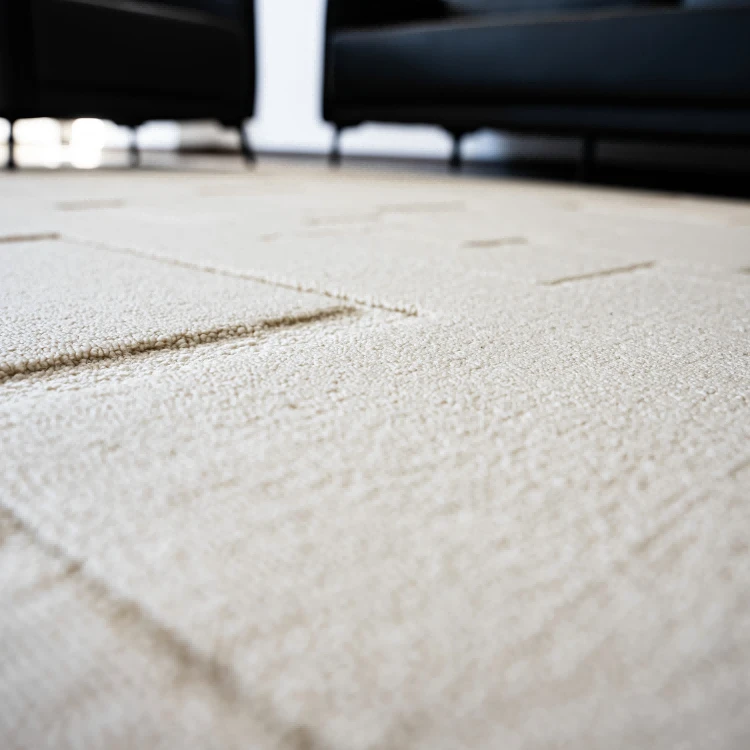
The wave of the Industrial Revolution swept the world, and wool carpet production was gradually mechanized. However, while pursuing efficiency, the high-end wool carpet market still adheres to traditional hand-woven techniques. These handmade carpets have become the darling of the high-end home furnishing market with their incomparable artistic value and collection value.
Today, high-end wool carpets are no longer just home decorations, but also a cultural heritage and artistic display. With the pursuit of high-quality life by global consumers, the market demand for high-end wool carpets continues to grow. Especially in Europe, America and Asia, high-end wool carpets are attracting more and more consumers with their unique charm.
Looking to the future, high-end wool carpets will continue to move forward in inheritance and innovation, inject new vitality into home aesthetics, and become a cultural bond connecting the past and the future.