Different spaces have unique functional needs-here's how to size carpets for each:
Living Room: Balance Style and Practicality
The living room carpet sets the tone for the entire home. Follow these guidelines:
Small living rooms (≤20㎡): Opt for 160×230cm or 180×250cm carpets. Place them so the front legs of the sofa rest on the carpet, while the back legs stay on the floor-this ties the furniture together without overwhelming the space. If your sofa is against a wall, center the carpet under the coffee table, ensuring it extends 20-30cm beyond the table's edges.
Medium/large living rooms (>20㎡): Go for 200×300cm or 240×340cm carpets. Ensure all sofa legs and the coffee table are fully on the carpet-this creates a cozy, enclosed seating area and adds visual weight to the room. For L-shaped sofas, choose a carpet that covers the entire seating arrangement (e.g., 240×340cm) to unify the space.
Open-concept living rooms (living + dining): Use one large carpet (e.g., 240×340cm or 300×400cm) to unify the two areas-this works best if the spaces share a similar design style. Alternatively, choose two coordinating carpets (e.g., a larger 200×300cm for the living area, a smaller 160×240cm for the dining area) to define each zone without breaking the design flow. Ensure both carpets have complementary colors or patterns to maintain cohesion.
Bedroom: Prioritize Comfort and Warmth
Bedroom carpets should make getting out of bed a soft experience:
Single beds (90/120cm wide): A 80×150cm or 100×200cm carpet beside the bed is ideal-no need for full coverage, just enough to step on when waking up. For kids' bedrooms, add a larger 120×170cm carpet under the bed and play area to protect floors and add comfort.
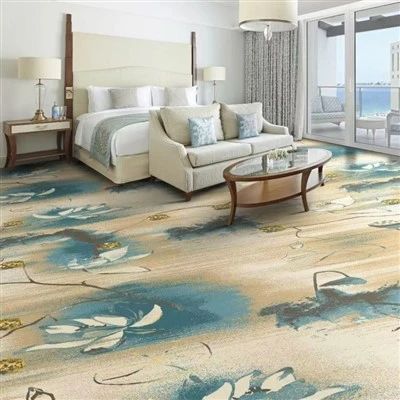
Double beds (150/180cm wide): Choose 160×230cm or 200×300cm carpets. Lay them so the carpet extends 30-40cm beyond the sides and foot of the bed-this ensures you never step on cold floors, even when walking around the bed. If your bedroom has a seating area (e.g., a chair and ottoman), include that in the carpet coverage for a cohesive look.
King-size beds (180/200cm wide): Upgrade to 240×340cm or custom-sized carpets. The carpet should extend at least 50cm beyond the bed on all sides, especially if the bed is centered in the room. This prevents the space from feeling unbalanced and adds a touch of luxury.
Pro tip: Avoid carpets that cover the entire bedroom floor (unless the room is very small). Too much carpet can make the space feel stuffy and harder to clean. For bedrooms with hardwood floors, the bare floor border adds visual interest and makes cleaning easier.
Dining Room: Focus on Practicality and Safety
Dining room carpets need to accommodate chairs and spills-size matters for both:
4-seat dining tables (120×80cm): A 140×200cm carpet works best. The key rule: When chairs are pulled out (for seating), all four legs of each chair must stay on the carpet. This prevents chairs from scratching the floor and reduces the risk of slipping. Ensure the carpet is centered under the table, with equal space on all sides.
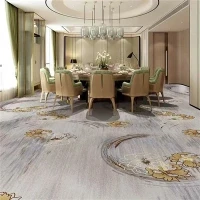
6-seat dining tables (160×90cm): Choose 160×240cm or 180×250cm carpets. The carpet should be at least 60cm larger than the dining table on all sides-this gives enough space for pulled-out chairs. For rectangular tables, opt for a rectangular carpet (avoid round carpets, which can look mismatched).
8-seat dining tables (200×100cm): Upgrade to 200×300cm or 240×340cm carpets. If your dining room is part of an open-concept space, ensure the carpet size aligns with the living area carpet (e.g., same brand, complementary colors) for a unified look.
Material reminder: Pair dining room carpets with stain-resistant materials (e.g., polyester, polypropylene) for easy cleaning-size won't matter if the carpet is ruined by spills! Avoid light-colored carpets in high-traffic dining areas unless you're willing to clean frequently.

Entryway/Hallway: Maximize Functionality
These high-traffic areas need carpets that fit perfectly without getting in the way:
Entryway: A 60×90cm or 80×120cm carpet is sufficient. Place it directly at the door to catch dirt from shoes-ensure it's small enough to not block door swings but large enough to cover the shoe-changing area. For entryways with a bench, choose a carpet that extends 20-30cm beyond the bench to cover the entire seating and shoe-changing zone.
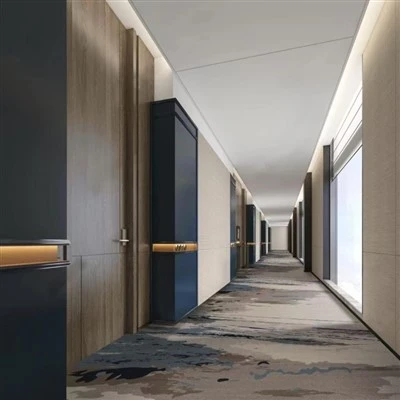
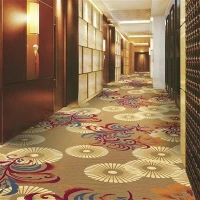
Hallways (narrow and long): Choose a carpet that's 2/3 the width of the hallway (e.g., a 80cm wide carpet for a 120cm wide hallway). The length should be slightly shorter than the hallway (leave 10-20cm gaps at both ends) to make the space look longer and more open. For hallways with doors on both sides, ensure the carpet doesn't overlap with door thresholds-leave a 5-10cm gap to prevent bunching.
Staircases: For carpeted stairs, measure the width of the staircase and the depth of each step (tread) plus the height (riser). Standard staircase carpets are 70-90cm wide (matching the staircase width). For a seamless look, use a single continuous carpet runner-avoid cutting the carpet per step, which can lead to fraying.