From raw materials to yarn: the foundation of quality
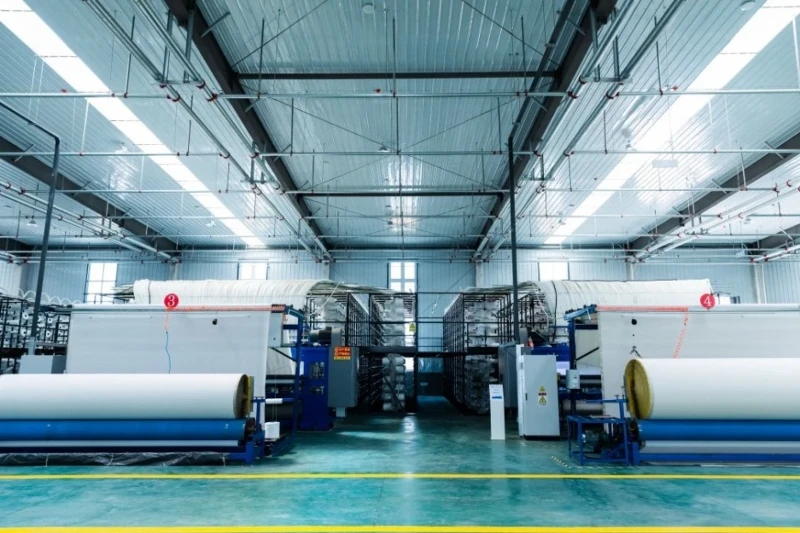
Production begins with the strict selection of wool. High-quality wool from New Zealand is mainly used, with its fibers being long, strong, and having good luster. The raw wool needs to be thoroughly cleaned to remove oils and impurities, then graded according to fineness and length. Next, the fibers are straightened through carding, and then twisted into strong wool yarn through the spinning process. Dyeing is a crucial step, and high-end products typically use "warp dyeing" - dyeing after spinning to ensure deep color penetration and high color fastness.
Core process: the difference between handwork and machine weaving
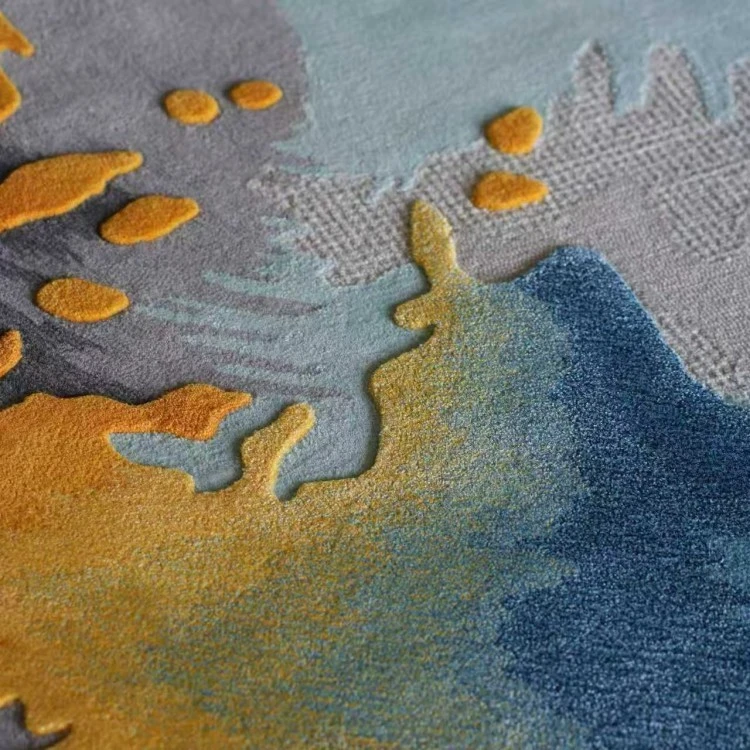
Weaving is the core stage of forming a carpet. Top-quality wool carpets often use hand-knotted craftsmanship, where artisans knot on the warp and weft lines by hand, and the number of knots per square foot (the "course") directly determines the fineness and value of the carpet. Another hand gunting process is more efficient, using needles to insert the yarn into the base fabric. In machine weaving, the Wilton and Arkemist looms can weave high-quality carpets with tight structures and complex patterns, with excellent durability.
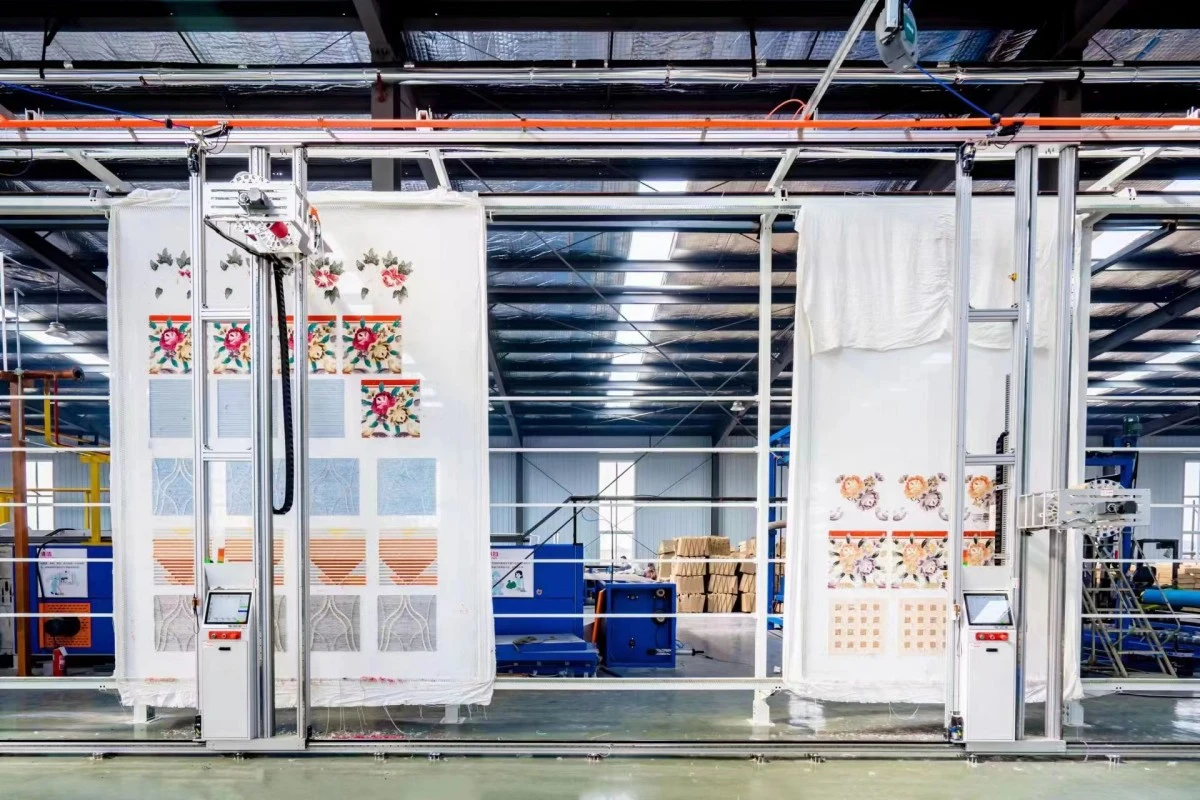
Post-treatment: giving final vitality
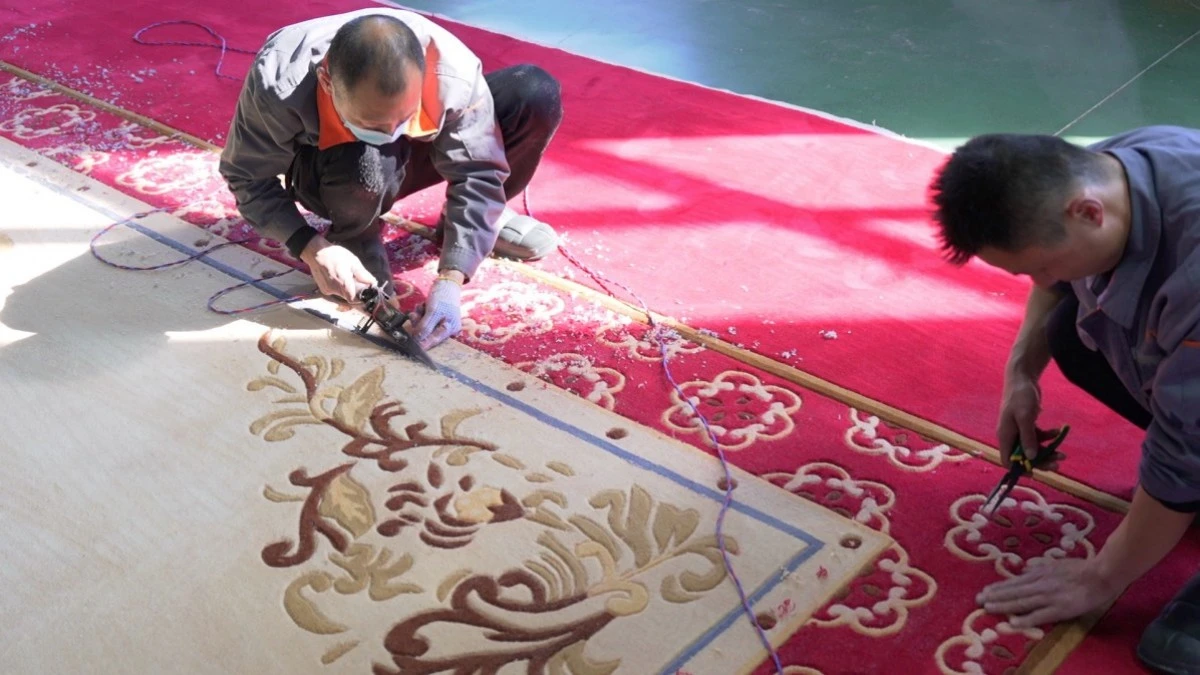
The carpet just off the loom needs to undergo a series of post-treatment processes: "flat cutting" to make the pile height uniform, "opening" to cut the pile loops to form cut pile, followed by thorough cleaning and drying. These steps significantly enhance the visual appeal and touch of the carpet.
Purchase and maintenance tips
When purchasing, pay attention to the wool origin, craftsmanship type, and pile density. In terms of maintenance, regular vacuuming is needed to remove debris, avoid direct sunlight, and have professional deep cleaning every 1-2 years to maintain its luxurious appearance and lifespan.
The wool carpets produced through the above process are not only a household item but also a durable art piece that combines natural materials and exquisite craftsmanship. Their value becomes increasingly evident over time.